
On Saturday afternoon, 6 September, the Irish Environmental Protection Agency’s twitter feed began issuing air pollution warnings for rural Ireland and across towns and cities. Sulphur dioxide concentrations briefly resembled those experienced downwind of large, old coal power stations or oil refineries before quickly returning to normal. Largest peaks were seen on the west coast in County Clare and Limerick, but it was also detected in Galway and in Dublin. By early evening the pollution peak reached Cork and Wexford in the south. Similar but smaller pollution peaks were measured that weekend across Northern Ireland and mainland UK reaching south east England on Sunday evening. Scientists at King’s College London also detected traces of mineral dust in the air as the sulphur dioxide passed through.
When air pollution is simultaneously measured over a wide area it normally comes from somewhere far away. Satellite images and weather models point to Iceland’s Bárðarbunga volcano, which is erupting in the Holuhraun lava field. Gases from the eruption on Friday 5 September reached Ireland and the UK on the following two days. Rotten egg smellsfrom sulphurous gases were also reported on the west coast of Norway. Closer to the source, people in Iceland were issued with health warningsand told to stay indoors if the volcanic gases approached.
The huge quantities of ash spewed into the skies by the Eyjafjallajökull and Grímsvötn volcanos caused massive disruption to air travel over Europe in 2010 and 2011 but Bárðarbunga is a different sort of eruption, it contains little ash but is proving remarkable for its emissions of sulphurous gases.
via World Pollutionwatch: A breath of not-so-fresh air | Environment | The Guardian.


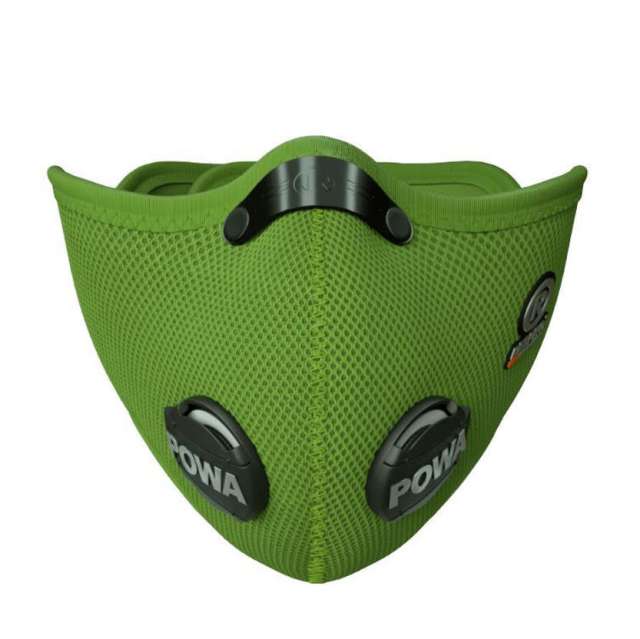





 Respro® Masks are reusable
 Respro® Bulletin Board