MASK SIZINGKEY POINTS TO A MASKMASK HYGIENERESPRO® MASK REVIEWSBUY SPARE FILTERSCLEANING THE FILTERFILTER TYPESRESPRO® STREETSMART™WILDFIRE PROTECTIONWINTER RUNNINGRESPRO.COMLOCAL AIR QUALITY LEVELS
Just over 180,000 deaths in the European Union were attributable to exposure to fine particulate matter (PM2.5) concentrations above World Health Organization WHO guideline levels in 2023, according to the latest European Environment Agency (EEA) air quality health impact assessment published today.
The EEA briefing ‘Harm to human health from air pollution in Europe: burden of disease status, 2025’ confirms the nineteen-year trend that the estimated impact on health attributable to long-term exposure to three key air pollutants (fine particulate matter, nitrogen dioxide and ozone) continues to drop. However, almost everyone living in European cities (95%) is exposed to air pollution levels considerably above recommended WHO levels.
Premature deaths attributable to fine particulate matter fell by 57% in the EU between 2005 and 2023. This indicates that the EU’s zero-pollution action plan’s target of a 55% reduction in impact, was achieved for 2023.
This year’s assessment is being published to coincide with the EU Clean Air Forum being held on 1-2 December in Bonn, Germany. The event draws policymakers, scientists, and civil society from across Europe to discuss efforts to improve air quality.
Premature deaths can be avoided
Reducing air pollution to WHO guideline levels could have prevented 182,000 deaths attributable to fine particulate matter exposure, 63,000 to ozone (O3) exposure and 34,000 to nitrogen dioxide (NO2) exposure in the EU in 2023, according to EEA estimates.
Eastern and south-eastern European countries suffer the most significant health impacts from air pollution due to high pollution levels.
Key information for each country is included in a separate factsheet annex to this press release, including information on national level health impacts.
Quality of life suffers significantly
In addition to premature deaths, the impacts from living with diseases related to air pollution are significant. For some diseases caused and/or aggravated by air pollution, such as asthma, the main impact is poorer health. For others, such as ischemic heart disease and lung cancer, it is premature death. New evidence suggests that air pollution may also cause dementia. Dementia’s disease burden is estimated to be higher than that of other relevant diseases, the EEA briefing says.
New EU air quality rules in place
The revised ambient air quality directive, which entered into force last year, brings the EU air quality standards closer to the WHO recommendations, supporting further reductions in the health impacts of air pollution over the coming years. Still, air pollution continues to be the top environmental health risk to Europeans (followed by other factors such as exposure to noise, chemicals and the increasing effects of climate-related heatwaves on health), causing chronic illness and attributable deaths, especially in cities and urban areas.
Background
The EEA analysis covers 41 European countries, including the 27 EU Member States, other EEA member and cooperating countries and additional European microstates. Türkiye is not included in the PM2.5 estimations as the number of background monitoring stations from which data are available was too low to produce concentration maps for fine particulate matter. Consequently, PM2.5 estimations were made for 40 countries.
The EEA has been estimating number of deaths attributable to exposure to air pollution since 2014. The EEA uses the recommendations for health impacts set out in the 2021 WHO air quality guidelines. As with previous years, the health impacts of different air pollutants should not be added together to avoid double counting due to some overlaps in data. This is the case for both mortality and illness.
Annual survey by IQAir based on toxic PM2.5 particles reveals some progress in pollution levels in India and China
Nearly every country on Earth has dirtier air than doctors recommend breathing, a report has found.
Only seven countries met the World Health Organization’s guidelines for tiny toxic particles known as PM2.5 last year, according to analysis from the Swiss air quality technology company IQAir.
Australia, New Zealand and Estonia were among the handful of countries with a yearly average of no more than 5µg of PM2.5 per cubic metre, along with Iceland and some small island states.
The most polluted countries were Chad, Bangladesh, Pakistan, the Democratic Republic of the Congo and India. PM2.5 levels in all five countries were at least 10 times higher than guideline limits in 2024, the report found, stretching as much as 18 times higher than recommended levels in Chad.
Doctors say there are no safe levels of PM2.5, which is small enough to slip into the bloodstream and damage organs throughout the body, but have estimated millions of lives could be saved each year by following their guidelines. Dirty air is the second-biggest risk factor for dying after high blood pressure.
“Air pollution doesn’t kill us immediately – it takes maybe two to three decades before we see the impacts on health, unless it’s very extreme,” said Frank Hammes, CEO of IQAir. “[Avoiding it] is one of those preventative things people don’t think about till too late in their lives.”
The annual report, which is in its seventh year, highlighted some areas of progress. It found the share of cities meeting the PM2.5 standards rose from 9% in 2023 to 17% in 2024.
Air pollution in India, which is home to six of the 10 dirtiest cities in the world, fell by 7% between 2023 and 2024. China’s air quality also improved, part of a long-running trend that saw the country’s extreme PM2.5 pollution fall by almost half between 2013 and 2020.
The air quality in Beijing is now almost the same as in Sarajevo, the capital of Bosnia and Herzegovina. The latter was the most polluted city in Europe for the second year running, the report found.
Zorana Jovanovic Andersen, an environmental epidemiologist at the University of Copenhagen, who was not involved in the report, said the results highlighted some chilling facts about air pollution.
“Huge disparities are seen even within one of the cleanest continents,” she said. “Citizens of eastern European and non-EU Balkan countries breathe the most polluted air in Europe, and there is a 20-fold difference in PM2.5 levels between the most and least polluted cities.”
Governments could clean their air with policies such as funding renewable energy projects and public transport; building infrastructure to encourage walking and cycling; and banning people from burning farm waste.
To create the ranking, the researchers averaged real-time data on air pollution, measured at ground level, over the course of the calendar year. About one-third of the units were run by governments and two-thirds by non-profits, schools and universities, and private citizens with sensors.
Air quality monitoring is worse in parts of Africa and west Asia, where several countries were excluded from the analysis. Poor countries tend to have dirtier air than rich ones but often lack measuring stations to inform their citizens or spur policy changes.
Roel Vermeulen, an environmental epidemiologist at Utrecht University, who was not involved in the report, said biases were most likely in data-poor areas with few regulated monitoring stations – particularly as satellite measurements were not used for the analysis – but that the values presented for Europe were in line with previous research.
“Virtually everyone globally is breathing bad air,” he said. “What brings it home is that there are such large disparities in the levels of exposure.”
Brief exposure to high concentrations of particulate matter may impair a person’s ability to focus on tasks.
People’s ability to interpret emotions or focus on performing a task is reduced by short-term exposure to particulate matter (PM) air pollution, potentially making everyday activities, such as the weekly supermarket shop, more challenging, a new study reveals.
Scientists discovered that even brief exposure to high concentrations of PM may impair a person’s ability to focus on tasks, avoid distractions, and behave in a socially acceptable manner.
Researchers exposed study participants to either high levels of air pollution – using candle smoke – or clean air, testing cognitive abilities before and four hours after exposure. The tests measured working memory, selective attention, emotion recognition, psychomotor speed, and sustained attention.
“Our study provides compelling evidence that even short-term exposure to particulate matter can have immediate negative effects on brain functions essential for daily activities, such as doing the weekly supermarket shop.” Dr Thomas Faherty – University of Birmingham
Publishing their findings in Nature Communications, researchers from the Universities of Birmingham and Manchester reveal that selective attention and emotion recognition were negatively affected by air pollution – regardless of whether subjects breathed normally or only through their mouths.
The experts suggest that inflammation caused by pollution may be responsible for these deficits noting that while selective attention and emotion recognition were affected, working memory was not. This indicates that some brain functions are more resilient to short-term pollution exposure.
Co-author Dr Thomas Faherty, from the University of Birmingham, commented: “Our study provides compelling evidence that even short-term exposure to particulate matter can have immediate negative effects on brain functions essential for daily activities, such as doing the weekly supermarket shop.”
Co-author Professor Francis Pope, from the University of Birmingham, commented: “Poor air quality undermines intellectual development and worker productivity, with significant societal and economic implications in a high-tech world reliant on cognitive excellence.
“Reduced productivity impacts economic growth, further highlighting the urgent need for stricter air quality regulations and public health measures to combat the harmful effects of pollution on brain health, particularly in highly polluted urban areas.”
Cognitive functioning encompasses a diverse array of mental processes crucial for everyday tasks. Selective attention, for example, helps decision-making and goal-directed behaviour, such as prioritising items on your shopping list in the supermarket, while ignoring other products and resisting impulse buys.
Working memory serves as a temporary workspace for holding and manipulating information, vital for tasks requiring simultaneous processing and storage, essential for tasks that require multitasking, such as planning a schedule or juggling multiple conversations.
Socio-emotional cognition, which involves detecting and interpreting emotions in oneself and others, helps guide socially acceptable behaviour. Although these are separate cognitive skills, they work together to enable the successful completion of tasks both at work in other aspects of life.
Overall, the study highlights the need for further research to understand the pathways through which air pollution affects cognitive functions and to explore the long-term impacts, especially on vulnerable populations like children and older adults.
Co-author Professor Gordon McFiggans, from the University of Manchester, commented: “This study shows the importance of understanding the impacts of air pollution on cognitive function and the need to study the influences of different sources of pollution on brain health in vulnerable older members of society.”
The study is the first to experimentally manipulate inhalation routes of PM air pollution, providing valuable insights into how different pathways affect cognitive functions. Researchers emphasise the need for further investigation into long-term impacts and potential protective measures.
Globally, air pollution is the leading environmental risk factor to human health, increasing premature mortality. The detrimental impacts of poor air quality on cardiovascular and respiratory systems are widely acknowledged, with links to neurodegenerative conditions such as multiple sclerosis, Alzheimer’s disease, and Parkinson’s disease.
PM2.5 is the air pollutant most responsible for human health effects with some 4.2 million deaths attributed to this size of particle alone in 2015. The World Health Organization (WHO) recommends that 24-hour and annual limits are below 15 μg m3 and 5 μg m3 respectively.
New UNICEF analysis reveals staggering impact of toxic air on millions of children, urging immediate action to protect their health and future
As Thailand’s capital, Bangkok, grapples with unhealthy levels of air pollution, leading to school closures and widespread health concerns, UNICEF’s latest analysis sheds light on the devastating impact of toxic air on children across East Asia and the Pacific. Air pollution, which peaks in many parts of the region during the dry season from now until April, is linked to over 100 deaths in children under five every day.
The analysis reveals that all children in East Asia and the Pacific – 500 million children in total – live in countries with unhealthy levels of air pollution. Household air pollution, caused by solid fuels used for cooking and heating, is linked to more than half of all air pollution-related deaths in children under five. Meanwhile, 325 million children live in countries where average annual particulate matter (PM2.5) levels exceed World Health Organization (WHO) guideline levels by more than five times, and 373 million live in countries with unhealthy levels if nitrogen dioxide (NO₂). Additionally, 91 percent of children in the region – 453 million – live in countries where ozone pollution exceeds WHO guideline levels. Nearly half of the PM2.5 in countries with the highest levels of this pollutant, came from the burning of fossil fuel, biomass fuel, and agriculture waste, which also generate the greenhouse gases driving climate change.
“Every breath matters, but for too many children every breath can bring harm,” said June Kunugi, UNICEF Regional Director for East Asia and the Pacific. “The air they breathe, at a time when their bodies and minds are still developing, too often contains unhealthy levels of pollution that can comprise their growth, harm their lungs, and impair their cognitive development.”
Air pollution is linked to nearly one in four deaths of children under five in East Asia and the Pacific, and can impact every stage of a child’s life. It begins in the womb with risks of premature delivery and low birth weight. The harm continues into early childhood, as young children breathe more rapidly and are closer to ground-level pollutants like vehicle exhaust, making them more vulnerable to asthma, lung damage, and developmental delays. The threat is often worse for low-income children living near factories or highways, where exposure to pollution is higher. Over time, air pollution can silently fuel chronic illnesses such as diabetes and cardiovascular disease, jeopardizing children’s futures.
Air pollution’s toll goes far beyond children’s health – it strains already overwhelmed healthcare systems, drives up costs, and disrupts learning and productivity. School absences due to illness, hindered brain development, and the risk of school closures limit children’s potential, while parents caring for sick children lose income. The economic fallout is staggering: the World Bank estimated that in 2019, air pollution from PM2.5 caused premature deaths and illnesses that cost East Asia and the Pacific 9.3 per cent of its gross domestic product (GDP), equivalent to more than $2.5 trillion.
UNICEF urges governments, businesses, the health sector, parents and educators to urgently address air pollution’s impact on children for children in East Asia and the Pacific, more specifically:
Governments must lead by strengthening climate and environmental policies, transitioning to clean energy, and enforcing WHO-aligned air quality standards to protect children’s health.
Businesses should adopt clean technologies, reduce emissions, and ensure their practices and products prioritize the safety and well-being of children.
The health sector should take measures to improve detection and treatment, and adopt sustainable, net-zero operations.
Parents and educators should play a crucial role in raising awareness, advocating for cleaner environments, and empowering young people to take action.
UNICEF is partnering with governments, businesses, health systems, and communities across East Asia and the Pacific to protect children from the devastating effects of air pollution. Key initiatives include:
Advocating for climate and environmental policies that create a cleaner, more sustainable world for children.
Implementing programmes that reduce children’s exposure to household air pollution with solutions like chimney ventilation and cleaner heating systems.
Improving air quality monitoring and public reporting through initiatives like installing affordable sensors.
Strengthening healthcare systems to address pollution-related illnesses and investing in cleaner medical waste management systems.
Collaborating with communities and empowering young people as clean air advocates to raise awareness, monitor air quality, and push for stronger policies.
“Addressing air pollution will lead to enormous improvements in children’s health, education, and well-being, with ripple effects across entire societies and economies,” Kunugi emphasized. “The solutions exist, and our collective future depends on implementing them.”
As Santa Ana wind conditions continue to stoke fears of resurgent wildfires across Los Angeles, health officials are warning of yet another wind-borne threat: ash and dust from active fire zones and burn scars.
On Tuesday, the Los Angeles County Department of Public Health issued a windblown dust and ash advisory until 7 p.m. Wednesday.
During this time, ash may be dispersed from the Palisades and Eaton fire areas, as well as from the Hurst, Kenneth, Line, Airport and Bridge fire burn scars, according to the South Coast Air Quality Management District.
“Windblown ash particles may be too large to be detected by air quality instrumentation and will not influence Air Quality Index levels,” the advisory stated. “However, ash particles are typically visible to the naked eye either in the air or on outdoor surfaces.”
Experts say wildfire smoke is unsafe for everyone and all area residents should be worried about the potential health impacts from this pollutant.
The cause for concern is that “the main component of smoke is particulate matter, and that can penetrate deep into the lungs, which directly causes respiratory issues, but it can also enter the bloodstream, where it can cause a range of other health issues,” said Anne Kelsey Lamb, director of Regional Asthma Management and Prevention.
Wildfire smoke can be extremely harmful to the lungs of at-risk people, which include children whose lungs are still developing, pregnant women, older adults and those with asthma, chronic obstructive pulmonary disease, chronic heart disease or diabetes, according to the American Lung Association.
Exposure to air pollution like wildfire smoke can also lead to the onset of asthma in otherwise healthy people, Lamb said.
As wildfires have become more common, researchers have been learning that wildfire smoke, depending on what it consists of, can be even more dangerous to public health than other types of air pollution.
Last year, the UCLA Luskin Center for Innovation published a study in the journal Science Advances that, in an 11-year span, found an estimated total of more than 55,000 premature deaths from inhaling fine particulate matter known as PM2.5, or soot, from wildfires.
Air pollutants from wildfires are dangerous to the immediate fire zone and surrounding communities, but the harm can reach out farther than that.
Lamb noted that during the 2018 Camp fire in Butte County, researchers found smoke with lead in it 150 miles away from the fire zone.
“Even people who aren’t in the immediate vicinity of the fire are likely still facing some of the impacts of the smoke from it,” she said. “I encourage everyone in the broader area to take the same precautions that we would recommend for someone who’s really right there in the midst of it.”
What’s possibly in the air? In the ash?
We know that wildfire smoke can include toxic materials such as lead, asbestos and arsenic, which can lead to additional health harms, Lamb said.
Part of the reason why wildfire smoke from the Los Angeles-area fires is particularly concerning is because—in addition to PM2.5—the smoke from this disaster can include harmful components that were part of houses, items inside the home, buildings and cars that burned.
Toxic chemicals from plastics and paint from houses and furniture are a few examples of what has been burned and is being released in the air, said Anthony Wexler, director of the Air Quality Research Center at UC Davis.
Researchers are still working to understand the relative toxicity of these specific chemical pollutants during a fire event.
“We’ve done some experiments, some early experiments in my lab showing that it’s more toxic, the building materials, than burning wooded material,” Wexler said. “But again, we have just a little bit of data.”
In the face of uncertainty, he said, “people should protect themselves as much as they can.”
Local and regional public health officials are recommending that at-risk people stay indoors with the windows and doors closed—while keeping the indoor air clean.
“You have permission to be a couch potato, as long as you have electricity so you can watch the tube,” Wexler said.
The more you do outside, the more you’re going to expose yourself to all the harmful air pollutants.
Wexler advises you whip out the protective gear that you had for the pandemic: air purifiers, N95 masks, gloves and protective eye wear (in case you have to go outside).
If I have to be outside what can I do to stay safe?
If people need to be outside, experts recommend wearing an N95 mask.
That’s because those are really the only masks that are going to filter out the damaging fine particles, Lamb said.
“The surgical masks allow too much air to get in, because it’s not the tight fit,” she said. “It doesn’t filter out as fine particles as the N95 does.”
Researchers have looked into wearing cloth masks during wildfire smoke and found that it “led to more exposure because some of the smoke sort of settled in the material and then it was continuously breathed in,” Lamb said.
There are a lot of Los Angeles residents who are out in surrounding communities volunteering their time to local disaster relief efforts, providing essential services and working.
“We want people to volunteer and help out, because we need that,” Wexler said.
But there are further safety steps that men with beards should take, he said.
Bearded men need to shave or at least cut back facial hair as much as possible so that a protective mask makes a firm seal around the face, keeping pollutants out.
Experts also urge everyone to remove clothes worn while working outside, including shoes, before entering the home. Put the clothes in the wash right away, because some of the particulate they carry can come inside the home and affect other people that are there, Lamb said.
One thing to remember, Lamb said is that the components of the pollutants, including ash, will settle on the ground and can be aerosolized again when disturbed as part of the cleanup efforts.
“There may be no way to avoid that happening, but to avoid exposure, make sure you’re wearing a mask and I would even have on eye wear, gloves and change clothes,” she said.
I have pets, how can I protect them?
As irritating as smoke can be for people, it can cause health problems for your pets too.
Animals with cardiovascular or respiratory disease are especially at risk from smoke and should be closely watched during all periods of poor air quality, according to the American Veterinary Medical Association.
Experts share the following information to keep your beloved animals safe during a poor or unhealthy air quality event:
Keep pets indoors as much as possible, and keep your windows shut.
Smoke is especially tough on your pet birds. Keep them inside when smoke is present.
Let dogs and cats outside only for brief bathroom breaks if air quality alerts are in effect.
Avoid intense outdoor exercise during periods of poor air quality. Exercise pets when dust and smoke has settled.
When can I stop wearing a mask and safely open my windows?
In regard to the current windblown advisory, experts advise you check for updates from local officials and follow their safety guidance:
Updates from the Los Angeles Department of Public Health can be found in the “news and updates” section of the Fire Safety and Health Information webpage.
Updates from the South Coast Air Quality Management District can be found on the “Air Quality Advisories” webpage. When an advisory is over it will be labeled “No Active Advisories at This Time.”
How can I check the air quality in my area?
Even though windblown ash particles may be too large to be detected by air quality instrumentation and officials warn it will not influence Air Quality Index levels, you should still keep an eye on the air quality in your area.
When you are looking at the air quality reading keep in mind the harmful particles that are not being recorded.
You can do so with the following tools:
AirNow, the online website and the app, created by the U.S. Environmental Protection Agency, includes information from their permanent air quality monitors as well as temporary air quality monitors that will be put in place in incidents like this. It has an updated Fire and Smoke map, or you can enter your zip code and check the air in your community.
Purple Air is a company that helps monitor air quality by selling easy-to-install sensors with real-time data on various particulate matter levels. Purple Air has a free online map with real-time air quality data.
The South Coast Air Quality Management District issues advisories, guidance and warnings in regards to air quality impacts. It has a current hourly air quality index map and a webpage dedicated to news releases of such advisories.
All resources will provide a number for the air quality index (AQI). If it’s greater than 100, that is considered unhealthy for sensitive and at-risk groups. If it’s greater than 150, it is considered unhealthy for all people.
Levels of nitrogen dioxide (NO2) exceeding World Health Organization (WHO) guidelines have been found in hotspots across Dublin city, according to a new study.
Data collected by University College Dublin and Dublin City University (DCU) researchers shows high levels of NO2 and fine particulate matter (PM2.5) across Dublin’s inner city.
Areas of particularly high concentrations included Cork Street, O’Connell Street, along the Quays, and in the area around Temple Bar.
The data showed that during the sampling period, 49.4% of days exceeded WHO guidelines for NO₂ levels, with peaks during rush hours, especially in winter. The findings are published in the journal Environmental Science and Pollution Research.
Collected as part of the Google Air View project over a period of 16 months, using electric Google Street View cars equipped with air sensors, the data showed that during the sampling period, almost 50% of days exceeded WHO guidelines for NO₂ levels, with peaks during rush hours, especially in winter.
Carried out by Dr. Jiayao Chen, Dr. Anna Mölter, Dr. José Pablo Gómez-Barrón and Professor Francesco Pilla, UCD’s School of Architecture, Planning and Environmental Policy, and Dr. David O’Connor from DCU’s School of Chemical Sciences, the study suggests the potential of a mobile monitoring approach to investigating hyperlocal air pollutants across cities.
“Traffic pollution is a critical issue in urban cities, often contributing to or exacerbating environmental or social-economic inequalities,” said Dr. Chen.
“Our finding represents a unique case for Dublin—on highly polluted days, domestic heating emerged as the dominant contributor to PM2.5 at street level. Our research emphasizes the need for detailed temporal guidance, especially for vulnerable populations, to help guide safe indoor and outdoor activities.
“With the EU recently introducing stricter air quality guidelines, our findings underscore the need for long-term, localized monitoring to inform strategic mitigation plans tailored to both local and regional scales.”
Dr. O’Connor added, “As more cities adopt hyperlocal sensing, the potential to create healthier urban environments grows. Localized air quality data provides the foundation for tailored, evidence-based policy solutions that can tackle pollution at its source, particularly in high-risk and vulnerable areas.”
A new study from Karolinska Institutet shows that long-term exposure to air pollution contributes to millions of deaths in India. The research, published in The Lancet Planetary Health, emphasizes the need for stricter air quality regulations in the country.
Air pollution consisting of particles smaller than 2.5 micrometers in diameter, PM2.5, can enter the lungs and bloodstream and is a major health risk in India. Researchers have now examined the link between these particles and mortality over a 10-year period. The study is based on data from 655 districts in India between 2009 and 2019.
“We found that every 10 microgram per cubic meter increase in PM2.5 concentration led to an 8.6% increase in mortality,” says Petter Ljungman, last author and researcher at the Institute of Environmental Medicine at Karolinska Institutet.
The research analyzed the relationship between changes in air pollution levels and mortality. The results show that around 3.8 million deaths over the period can be linked to air pollution levels above India’s own air quality guidelines of 40 micrograms per cubic meter.
When compared to the stricter guidelines recommended by the World Health Organization (WHO)—only 5 micrograms per cubic meter—the figure rises to 16.6 million deaths. That’s almost 25% of all mortality during the study period.
The study also highlights that the entire population of India lives in areas where PM2.5 levels exceed WHO guidelines. This means that almost 1.4 billion people are exposed year after year to air pollution that can negatively affect health. In some regions, levels of up to 119 micrograms per cubic meter were measured, significantly higher than what both the WHO and India consider safe.
“The results show that current guidelines in India are not sufficient to protect health. Stricter regulations and measures to reduce emissions are of the utmost importance,” said Petter Ljungman.
The Indian government has been running a national air pollution control program since 2017 to improve air quality, but the study shows that PM2.5 concentrations have continued to increase in many areas. The researchers emphasize the importance of both reducing emissions locally and taking into account the long range of air pollution—PM2.5 particles can travel hundreds of kilometers.
“Our study provides evidence that can be used to create better air quality policies, both in India and globally,” says Petter Ljungman.
Pollution Masks since 1993 - The 'Original' and still the best - Made in the UK - respro.com
THE AIR WE BREATHE
The Respro® Bulletin Board is designed to keep you up to date with current views and issues relating to Air Pollution and its health implications in our daily lives.


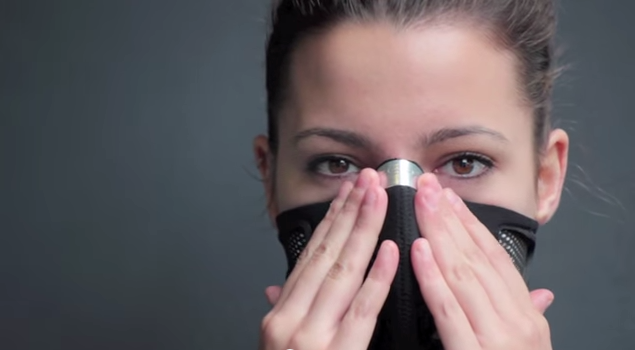

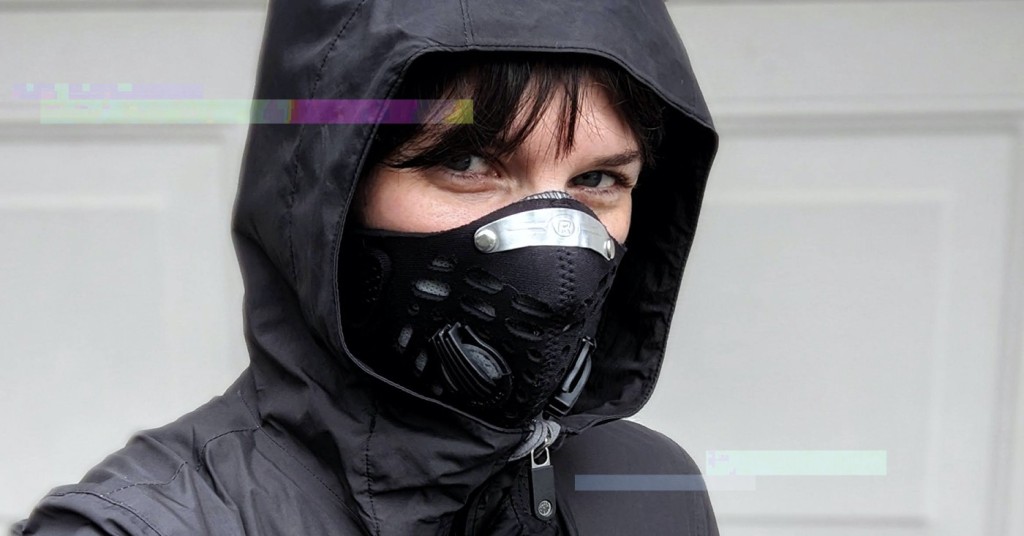






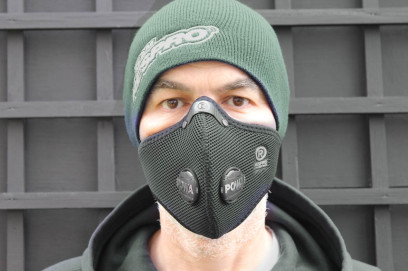


 Respro® Masks are reusable








 Respro® Bulletin Board