
The record temperature this month also brought problems with summertime smog. Ground-level ozone reached between 7 and 9 on the UK’s 10-point air-quality index. Millions of people across the eastern half of England were exposed to pollution levels that were about twice World Health Organisation (WHO) guidelines. This was the worst summertime smog across southern England since 2012.
Ozone is synonymous with Los Angeles in the 1960s and 1970s, when concentrations could be assessed by measuring how fast the smog rotted rubber.
At ground level, ozone forms from chemical reactions between natural, traffic and industrial pollution in strong sunlight, meaning that concentrations are usually greatest in the afternoon. Some people doing sport notice breathing problems at these times even if they are not asthmatic.
In the evening, concentrations normally drop quickly as ozone reacts with surfaces and fresh city pollution. Avoiding strenuous exercise and endurance sports in the afternoon is a practical way for vulnerable people to reduce their exposure.
Health guidelines for ozone are set assuming eight-hour exposure, based originally on studies of schoolchildren in summer camps. However, overnight on 30 June and 1 July, ozone-free air did not form close to the ground across southern England. (This might have been because of a combination of overnight breezes and changes to air pollution in our towns and cities.) Many people were exposed to ozone above WHO guidelines for up to 36 rather than eight hours.
Maybe it’s time to rethink the health guidelines for this pollutant?
via Pollutionwatch: Ozone, the flipside to sunny days | Environment | The Guardian.


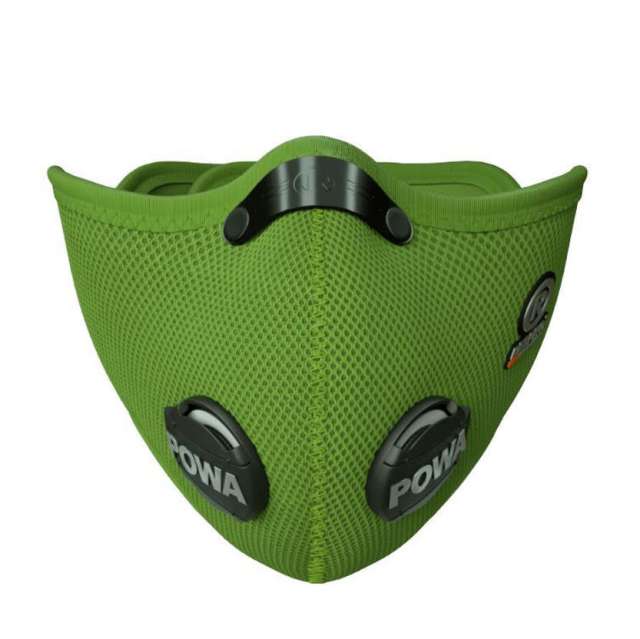





 Respro® Masks are reusable
 Respro® Bulletin Board