
It may be clear now in Salt Lake City, but could get worse
The air quality conditions along the Wasatch Front Wednesday are good, with values of fine-particulate pollution well below the federal threshold set by the U.S. Environmental Protection Agency.
So why does the forecast from the Utah Department of Environmental Quality over the next three days describe conditions as moderate?
The contradiction is part of the agency’s efforts to be proactive, sort of a shot over the bow to urge residents to reduce emissions from homes and vehicles before conditions get worse.
“We are very proactive in our forecasting,” said Bo Call, monitoring section manager for the department’s Division of Air Quality. “Historically we have seen that pollution levels can double from day to day.”
Regulators hosted an air quality briefing Wednesday as part of one way to get the word out about the Wasatch Front inversion season, which typically is at its worst in January and the first part of February.
The state’s periodic struggle with air pollution is a critical challenge the division and residents face after a stagnant weather system settles in and traps emissions in the valley like a lid.
“All the pollution we create can’t escape or go anywhere,” Call said.
The manager likened action now to filling a bathtub.
Instead of turning on the water full blast, any action people can take to slow the flow of pollutants and try to reduce it to a drip will keep that bathtub from overflowing.
For the last couple years, the inversion season in Utah has been mild and regulators are hoping to keep it that way.
While weather forecasts dwindle in accuracy the farther out they go, Call said it looks to be that the Wasatch Front might get lucky this year if a series of small storms keep the air stirred up and flush out pollutants.
Fine-particulate pollution is linked to a variety of harmful health effects, including increased incidences of stroke and respiratory ailments, and in some studies excess pollution is blamed for early onset of dementia and decreased mental acuity.
The Wasatch Front, which for many years was designated by the EPA as out of attainment for the federal standard of 35 micrograms of PM2.5 per cubic meter, recently was reclassified as in attainment after meeting the rolling three year average for the pollutant.
While the state’s metropolitan areas did have episodic spikes in fine-particulate pollution, Call said it hasn’t been enough to put the state back on EPA’s list of noncomplying regions.
Call said the most effective way to fight pollution is for motorists to seek the cleaner burning Tier 3 fuel sold at a variety of gas stations and, if they have a choice, get behind the wheel of the newest car at their disposal.
The website tier3gas.org/locations provides information to motorists on where to buy the fuel.
Coupled with a newer model car, using Tier 3 fuel can result in a reduction in emissions by as much as 80%, according Call. While Utah regulators have not yet been able to quantify how much of an impact use of the fuel has made so far, Call anticipates significant reductions over time.
“The benefits are potentially huge.”
Wasatch Front’s inversion season starting to set up – Deseret News


-
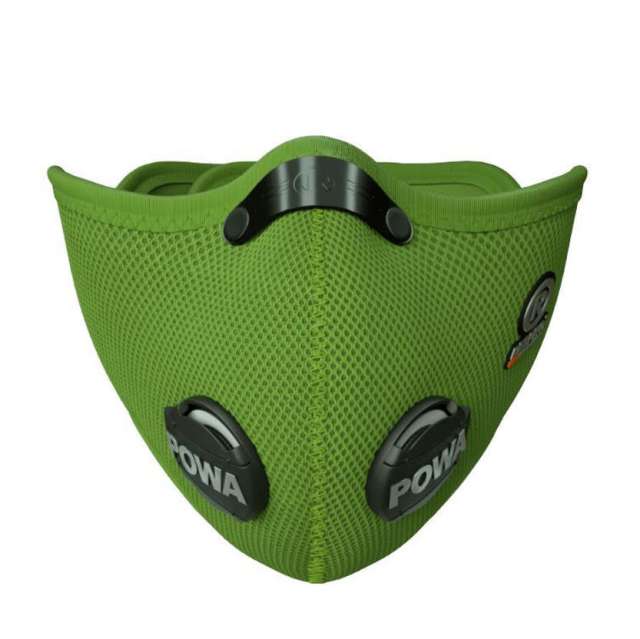
RESPRO® MASKS
-
Pollution Masks since 1993 - The 'Original' and still the best - Made in the UK - respro.com
-
THE AIR WE BREATHE
-
The Respro® Bulletin Board is designed to keep you up to date with current views and issues relating to Air Pollution and its health implications in our daily lives.
-
WATCH OUR ANIMATION
-

TOP POSTS AND PAGES
- Follow Respro® Bulletin Board on WordPress.com
-
LOCAL AIR QUALITY
-
Click the map to explore current air quality levels by country.

-
WILDFIRE PROTECTION
-

-
FOLLOW RESPRO®
-
WHY WEAR A MASK?
-
Essential features required of a mask to work properly: Why wear a mask?
-
For information on the products we provide please visit our website respro.com Respro® will ship your order of any product, any quantity to anywhere on the planet free of charge.
-
KEY POINTS TO A MASK
-
Three important points to look out for in an air pollution mask:
Key Points to a Mask -
SIZING GUIDE
-

-
TIME TO CHANGE YOUR FILTER?

-
THERE ARE FOUR RESPRO® FILTER TYPES
-

-
BUY NEW FILTERS
-

-
HOW TO CHANGE THE FILTER
-

-
RESPRO® ON INSTAGRAM
-


Air Pollution Air Quality Asthma Beijing Boris Johnson California Canada China Delhi Department for Environment Food and Rural Affairs (Defra) diesel exhaust fumes EU - European Union Europe forest fire France Germany HAZE Health Effects of Air Pollution India Indonesia Iran King's College London London London Mayor Malaysia Nitrogen Dioxide NO2 NOx Ozone O3 Paris PM - Particulate Matter PM2.5 PM10 Research Respro® Masks FAQ Respro® Products Scotland Singapore Smog Sulfur Dioxide SO2 Thailand UK USA vehicle emissions wildfires World Heath Organization (WHO)
-
CATEGORIES
- Africa
- Air Quality
- Allergies
- Asia
- Asthma
- Australia & Oceania
- Brazil
- Canada
- Chile
- China
- Colombia
- Cycling
- Europe
- Exercise & Air Pollution
- France
- Germany
- Hayfever
- Health Effects of Air Pollution
- Help & FAQs
- India
- Indonesia
- Iran
- Iraq
- Ireland
- Italy
- Japan
- Latin America
- London
- Malaysia
- Medical Studies
- Mexico
- Middle East
- Mongolia
- Philippines
- Poland
- Research on Air Pollution in the UK
- Respro® How To Videos
- Respro® Mask Reviews
- Respro® Masks
- Respro® Products
- Running
- Singapore
- South Korea
- Spain
- Sports
- Taiwan
- Thailand
- UK
- USA
- USA & Canada
- Vietnam
- World News
-


 Respro® Masks are reusable
 Respro® Bulletin Board