
Many people will flock to Fourth of July celebrations this weekend, eager to raise a toast beneath the year’s most spectacular aerial displays now that pandemic restrictions have been lifted.
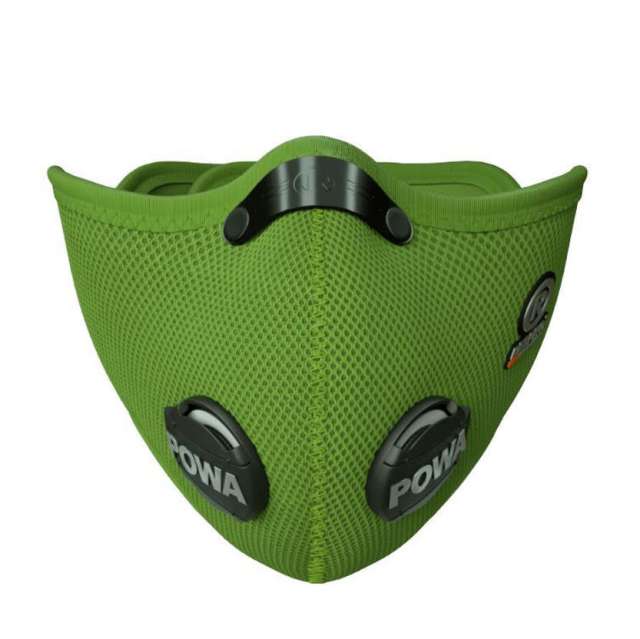
But some might want to keep those N95 masks handy if they’re getting close to fireworks, especially those set off in backyard displays. The chemical compounds and reactions that make all those colorful lights shine and explode come with a toxic stew of air pollutants.
For the short term at least, those with respiratory illnesses like asthma and COPD should keep their distance. And pyrotechnics are not too great for the planet either.
“They’re really bad for air quality,” said Lelia Hawkins, “at least in the short term.”
Hawkins, an associate professor of chemistry at Harvey Mudd College, said some of the most polluting elements are the metals used to create the brilliant colors.
Red, white, and blue are produced by metal salts like strontium, magnesium, copper, lead, and barium. Lithium gets you pink, while sodium salts create yellows. The resulting smoke and greenhouse gas emissions include carbon dioxide, carbon monoxide, and nitrogen. Particulate matter, such as PM 2.5 and black carbon or soot, is emitted with any type of combustion. But with fireworks, that smoke also includes toxic metals.
“Metals are really what makes the fireworks interesting and exciting for people because that’s what we’re getting the colors from,” said Pallavi Pant, who has studied the air pollution impact of fireworks for the past decade and is now senior scientist at the Health Effects Institute. “When a lot of these fireworks are in the air, we get these huge spikes in air pollution, including particles, and within these particles are tiny metal particles.”
Pant said there isn’t a lot of research into either the short-term or long-term health impact of fireworks. But she noted that those who have respiratory illnesses like asthma and chronic obstructive pulmonary disease, or COPD, can experience aggravated symptoms.
She says the effects are short term, and the air quality goes back to normal levels within a day or two.
“The biggest impacts are when people are exposed to air pollutants over long periods of time,” she said.
Still, Pant said people who live with asthma should avoid getting close to fireworks, especially those set off by individuals in backyards or parks, and wearing N95 masks may help.
“If possible, be upwind of the fireworks,” she said, “and try to protect children because they breathe in the most air pollutants.”
Air quality does go back to normal within several hours in some cases, Pant said.
“A lot of the attention on the health side has focused primarily on burns and injuries, because that’s what people think about when it comes to the dangers of fireworks,” she said. “But unfortunately, much, much less attention on air quality.”
The pollutants can also filter down into rivers and streams, causing enhanced levels of metals that could affect aquatic life and water quality.
You Might Want To Mask Up: Fireworks Cause Spikes In Air Pollution | 90.5 WESA


-
RESPRO® MASKS
-
Pollution Masks since 1993 - The 'Original' and still the best - Made in the UK - respro.com
-
THE AIR WE BREATHE
-
The Respro® Bulletin Board is designed to keep you up to date with current views and issues relating to Air Pollution and its health implications in our daily lives.
-
WATCH OUR ANIMATION
-

TOP POSTS AND PAGES
- Follow Respro® Bulletin Board on WordPress.com
-
LOCAL AIR QUALITY
-
Click the map to explore current air quality levels by country.

-
WILDFIRE PROTECTION
-

-
FOLLOW RESPRO®
-
WHY WEAR A MASK?
-
Essential features required of a mask to work properly: Why wear a mask?
-
For information on the products we provide please visit our website respro.com Respro® will ship your order of any product, any quantity to anywhere on the planet free of charge.
-
KEY POINTS TO A MASK
-
Three important points to look out for in an air pollution mask:
Key Points to a Mask -
SIZING GUIDE
-

-
TIME TO CHANGE YOUR FILTER?
-

-
THERE ARE FOUR RESPRO® FILTER TYPES
-

-
BUY NEW FILTERS
-

-
HOW TO CHANGE THE FILTER
-
-
RESPRO® ON INSTAGRAM
-


Air Pollution Air Quality Asthma Beijing Boris Johnson California Canada China Delhi Department for Environment Food and Rural Affairs (Defra) diesel exhaust fumes EU - European Union Europe forest fire France Germany HAZE Health Effects of Air Pollution India Indonesia Iran King's College London London London Mayor Malaysia Nitrogen Dioxide NO2 NOx Ozone O3 Paris PM - Particulate Matter PM2.5 PM10 Research Respro® Masks FAQ Respro® Products Scotland Singapore Smog Sulfur Dioxide SO2 Thailand UK USA vehicle emissions wildfires World Heath Organization (WHO)
-
CATEGORIES
- Africa
- Air Quality
- Allergies
- Asia
- Asthma
- Australia & Oceania
- Brazil
- Canada
- Chile
- China
- Colombia
- Cycling
- Europe
- Exercise & Air Pollution
- France
- Germany
- Hayfever
- Health Effects of Air Pollution
- Help & FAQs
- India
- Indonesia
- Iran
- Iraq
- Ireland
- Italy
- Japan
- Latin America
- London
- Malaysia
- Medical Studies
- Mexico
- Middle East
- Mongolia
- Philippines
- Poland
- Research on Air Pollution in the UK
- Respro® How To Videos
- Respro® Mask Reviews
- Respro® Masks
- Respro® Products
- Running
- Singapore
- South Korea
- Spain
- Sports
- Taiwan
- Thailand
- UK
- USA
- USA & Canada
- Vietnam
- World News
-


 Respro® Masks are reusable
 Respro® Bulletin Board