
What are the health consequences of air pollution on populations?
Exposure to high levels of air pollution can cause a variety of adverse health outcomes. It increases the risk of respiratory infections, heart disease and lung cancer. Both short and long term exposure to air pollutants have been associated with health impacts. More severe impacts affect people who are already ill. Children, the elderly and poor people are more susceptible. The most health-harmful pollutants – closely associated with excessive premature mortality – are fine PM2.5 particles that penetrate deep into lung passageways.
What can citizens do to protect themselves?
Fighting air pollution is everybody’s responsibility. We all need to do more, a lot more. Swiftly and proactively to reduce air pollution. Concerted and coordinated efforts with active involvement of all the sectors is imperative. This includes the Government (national, state and local governments), cities, community at large and individuals.
To national governments: reduce emissions and set national standards that meet WHO air quality guidelines. Invest in research and education around clean air and pollution – they are an essential tool.
To cities and local communities: Public policies across sectors must factor in public health from the beginning, followed up with sufficient data and tools to assess them.
To individuals: Continue to stand up for your right to healthy and sustainable environments. Hold your governments accountable.
All of us – in government, business, and individual – we are all accountable. Think and rethink, about the way you live and consume and make sustainable choices for yourself, your children and your children’s children.
What is particulate matter, or PM?
Particulate matter is the term for particles found in the air, including dust, dirt, soot, smoke, and liquid droplets. Large concentrations of particulate matter are typically emitted by sources such as diesel vehicles and coal-fired power plants. Particles less than 10 micrometers in diameter (PM10) pose a health concern because they can be inhaled into and accumulate in the respiratory system. Particles less than 2.5 micrometers in diameter (PM2.5) are referred to as “fine” particles and pose the greatest health risks. Because of their small size (approximately 1/30th the average width of a human hair), fine particles can lodge deeply into the lungs.
What are some of the major sources or causes of ambient air pollution?
Major sources of ambient air pollution include inefficient modes of transport (polluting fuels and vehicles), inefficient combustion of household fuels for cooking, lighting and heating, coal-fired power plants, agriculture, and waste burning.
What can countries do to reduce air pollution?
Interventions to reduce air pollution include developing sustainable transport in cities; implementing solid waste management; providing access to clean household fuels and cookstoves; developing market for renewables energies and energy efficiency, and implementing industrial emissions reductions.
How is WHO working with countries to reduce air pollution?
WHO’s main function is to identify and monitor those air pollutants with the greatest impact on people’s health. This helps the WHO Member States to focus their actions on the most effective way to prevent, or reduce health risks. WHO’s task is to review and analyze the accumulated scientific evidence, and use expert advice to draw conclusions on how much different air pollutants affect health as well as identify effective measures to reduce the air pollution burden.
WHO Member States adopted in 2015 a resolution to “address the adverse health effects of air pollution”. The following year, Member States agreed on a road map for “an enhanced global response to the adverse health effects of air pollution”. WHO is working on four pillars:
Expanding the knowledge base
Monitoring and reporting
Global leadership and coordination
Institutional capacity strengthening
Health consequences of air pollution on populations


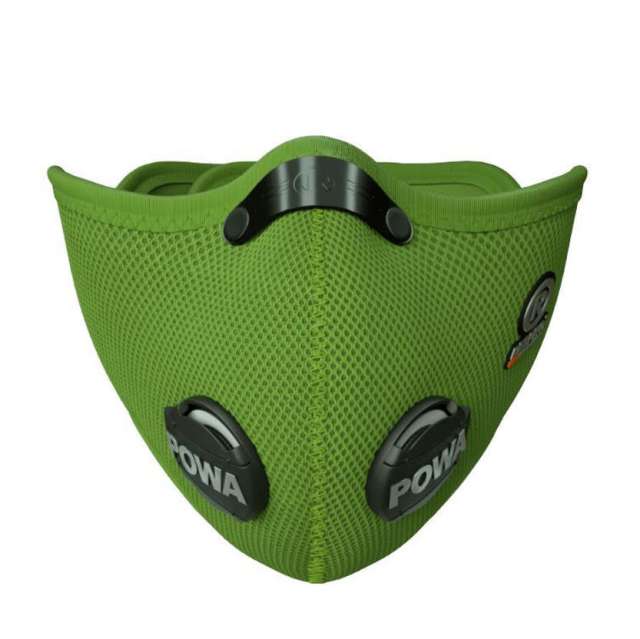
-
RESPRO® MASKS
-
Pollution Masks since 1993 - The 'Original' and still the best - Made in the UK - respro.com
-
THE AIR WE BREATHE
-
The Respro® Bulletin Board is designed to keep you up to date with current views and issues relating to Air Pollution and its health implications in our daily lives.
-
WATCH OUR ANIMATION
-

TOP POSTS AND PAGES
- Follow Respro® Bulletin Board on WordPress.com
-
LOCAL AIR QUALITY
-
Click the map to explore current air quality levels by country.

-
WILDFIRE PROTECTION
-

-
FOLLOW RESPRO®
-
WHY WEAR A MASK?
-
Essential features required of a mask to work properly: Why wear a mask?
-
For information on the products we provide please visit our website respro.com Respro® will ship your order of any product, any quantity to anywhere on the planet free of charge.
-
KEY POINTS TO A MASK
-
Three important points to look out for in an air pollution mask:
Key Points to a Mask -
SIZING GUIDE
-

-
TIME TO CHANGE YOUR FILTER?
-

-
THERE ARE FOUR RESPRO® FILTER TYPES
-

-
BUY NEW FILTERS
-

-
HOW TO CHANGE THE FILTER
-
-
RESPRO® ON INSTAGRAM
-


Air Pollution Air Quality Asthma Beijing Boris Johnson California Canada China Delhi Department for Environment Food and Rural Affairs (Defra) diesel exhaust fumes EU - European Union Europe forest fire France Germany HAZE Health Effects of Air Pollution India Indonesia Iran King's College London London London Mayor Malaysia Nitrogen Dioxide NO2 NOx Ozone O3 Paris PM - Particulate Matter PM2.5 PM10 Research Respro® Masks FAQ Respro® Products Scotland Singapore Smog Sulfur Dioxide SO2 Thailand UK USA vehicle emissions wildfires World Heath Organization (WHO)
-
CATEGORIES
- Africa
- Air Quality
- Allergies
- Asia
- Asthma
- Australia & Oceania
- Brazil
- Canada
- Chile
- China
- Colombia
- Cycling
- Europe
- Exercise & Air Pollution
- France
- Germany
- Hayfever
- Health Effects of Air Pollution
- Help & FAQs
- India
- Indonesia
- Iran
- Iraq
- Ireland
- Italy
- Japan
- Latin America
- London
- Malaysia
- Medical Studies
- Mexico
- Middle East
- Mongolia
- Philippines
- Poland
- Research on Air Pollution in the UK
- Respro® How To Videos
- Respro® Mask Reviews
- Respro® Masks
- Respro® Products
- Running
- Singapore
- South Korea
- Spain
- Sports
- Taiwan
- Thailand
- UK
- USA
- USA & Canada
- Vietnam
- World News
-


 Respro® Masks are reusable
 Respro® Bulletin Board