
We all know that an inversion traps haze and bad air, but what causes it? What exactly are we breathing in? Bryce Bird, The Air Quality Director of the Department of Environmental Quality explains more about Utah’s air.
DEQ’s mission is to safeguard public health and our quality of life by protecting and enhancing the environment. We implement State and federal environmental laws and work with individuals, community groups, and businesses to protect the quality of our air, land and water.
The Division of Air Quality (DAQ) has developed, with public input, a new air quality alert system to better communicate the complex health implications and activity restrictions based on real-time pollution monitoring data.
Solid fuel burning devices must not be used. Open burning may not occur; including fire pits, fire rings, and campfires. Reduce vehicle use by consolidating trips. Industry should optimize operating conditions to minimize air pollution emissions.
There are many things we can do collectively to help improve both indoor and outdoor air quality. You can also take a look at our Summer and Winter suggestions.
Indoor Air Quality is often described as being healthier than outdoor air quality. On some days this might be true, but there are still issues to be aware of regrading indoor air quality.
Sometimes during winter months, a layer of cold air is confined within the Wasatch Front valleys by the surrounding mountains. Above the cold, dense layer is warm air. This inversion acts much like a lid, trapping pollutants within the cold air.
Proper insulation, storm windows, and weatherizing are your first steps in winter home energy conservation. These measures reduce the amount of heat necessary to keep your home warm. The less wood burned, the less pollution generated.
The Division of Air Quality continues to be committed to improving Utah’s air quality. Historically, we’ve been able to meet the challenges of tougher federal standards to help Utahns breathe easier and live healthier.
This past year, we saw significant progress with a range of emission reduction initiatives. By partnering with other state agencies and industry, the Division of Air Quality’s Utah Clean Diesel Program expanded its retrofits of old school buses to include farm equipment and engines. And most recently, with the receipt of an EPA grant, we will be working to re-power diesel delivery trucks with new natural gas engines. We continue to develop common-sense solutions to meet EPA’s stronger standards for ozone and particulate pollution so that all Utahns in every part of our great state can breathe easier and live healthier.
via What you need to know about Utah’s air quality – Good4Utah.com.


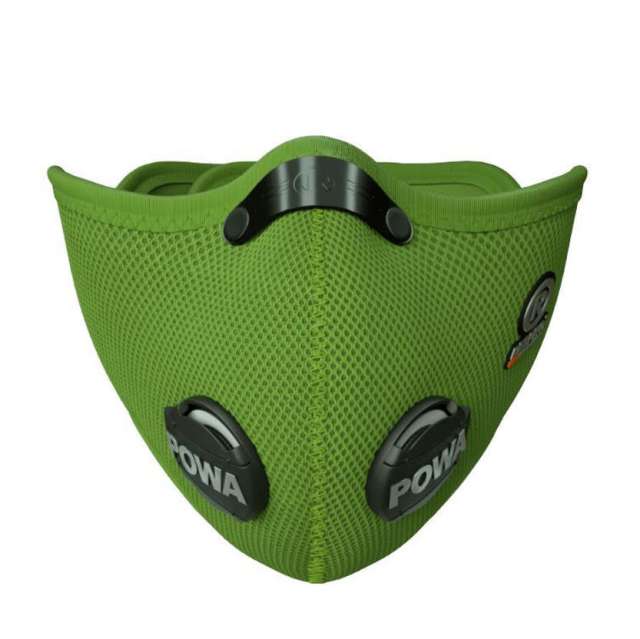





 Respro® Masks are reusable
 Respro® Bulletin Board