
Alzheimer’s disease is a neurodegenerative disorder causing dementia, abnormal brain functions, and complete dependence on others in the long run.
It was named after Dr. Alois Alzheimer, a neurologist. Several categorizations are developed based on the parameters such as severity (mild, moderate, or severe), onset time (late-onset, or early-onset), and inflammatory response (inflammatory, non-inflammatory, or cortical).
The patients suffer from memory lapses which are persistent and even worsen over the period of time. These individuals tend to forget the familiar names, events, or appointments. They also find it difficult to navigate even in known places.
Decision-making becomes an extremely challenging task for them because of deteriorated mental function. Behavioral changes such as mood swings, depression, irregular sleeping patterns, and apathy are also common.
Alzheimer’s disease is the most common cause of dementia worldwide. It affects people of all ethnicities. Millions of people globally are diagnosed with this condition every year.
The risk of developing Alzheimer’s disease increases with age (especially during the mid-60’s). Also, females are at a relatively higher risk of developing Alzheimer’s compared to males. Strong evidence for genetic triggers of Alzheimer’s is becoming known, albeit the role of lifestyle-related, occupational, and environmental risk factors cannot be denied.
Air Pollution and Particulate Matter
Various metals and chemicals are suspended in the air due to their small particle size. Barring the natural defense mechanisms of the body, the particulate matter enters the systematic circulation. Studies have shown a higher amount of beta-amyloid protein in the brains of Alzheimer’s patients who reside in polluted areas.
Studies also suggest that long-term exposure to polluted air and smog may contribute to dementia. In one study, the subjects exposed to polluted air showed a deterioration in brain function equivalent to that of two years of aging. This alarms a severe concern for increased risk of early-onset Alzheimer’s in polluted cities.
Magnetite Particles
Magnetite is a form of iron and is frequently found in the fine particulate matter. Magnetite particles are generated due to the burning of industrial fuels and are also produced inside the body via natural biochemical processes. Scientists have successfully made a clear distinction among the magnetite particles created externally and those created inside the body. They were able to further investigate the course of magnetite particles in the brain due to their magnetic properties. The study showed that the particles inside the brain were of an external source, proving that magnetite particles from the polluted air can pass into the brain. Moreover, they were found in high concentrations inside the amyloid-beta plaques in the brain tissues.
However, as the mere presence of magnetite particles inside plaques could not establish their role in the creation of plaques or cell death, the contribution of magnetite particles in the pathogenesis of Alzheimer’s remains debatable.
Oxidative Stress Theory
Air pollution has a direct impact on body’s receipt of oxygen. When environmental toxins and chemicals dissolve in the blood along with oxygen and traverse to the brain cells, they cause oxidative stress. Chronic oxidative stress in neural tissues is seen as a strong risk factor for Alzheimer’s.
Nickel Nanoparticles
Nickel nanoparticles emitted from the exhaust of motor vehicles are known to increase the levels of amyloid peptides inside the brain. This resembles with the plaque formation phenomenon, the hallmark of Alzheimer’s. Scientists claim that at least 5 out of 100 cases of Alzheimer’s may be caused by nickel nanoparticles in the air.
Role of Age and ApoE4
As the etiology of Alzheimer’s is multifactorial, other variables such as gender, age, and familial or genetic predisposition need to be factored in.
A recent study revealed a dramatic rise in the risk of developing Alzheimer’s in response to air pollution when the patients were females and carried Apolipoprotein E4 (ApoE4) genetic variant. In another large-scale study of geriatric women, the occurrence of dementia upon exposure to air pollution was found to be three times higher in those with ApoE4 variant.
Even though several studies indicate a correlation of pollution with the incidence of Alzheimer’s, a direct link has not yet been established for pollution to be called as the causative factor for Alzheimer’s. This is because of many other confounding variables into the play. Nevertheless, the risk that air pollution poses and its role in Alzheimer’s is unanimously accepted worldwide.


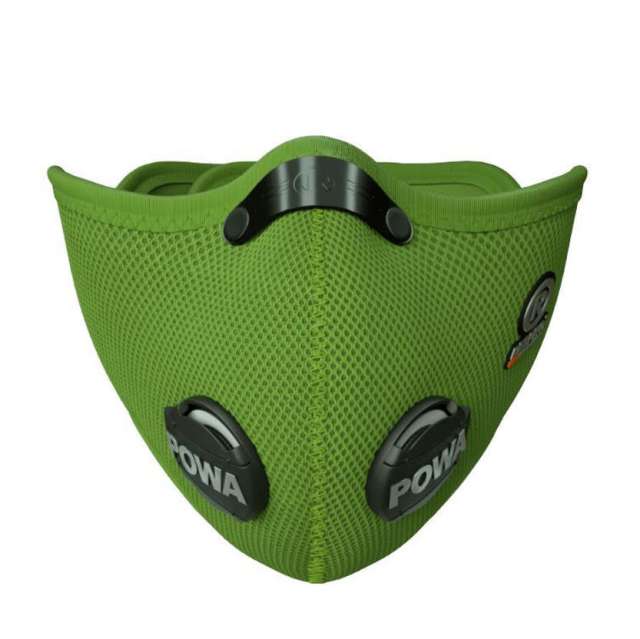
-
RESPRO® MASKS
-
Pollution Masks since 1993 - The 'Original' and still the best - Made in the UK - respro.com
-
THE AIR WE BREATHE
-
The Respro® Bulletin Board is designed to keep you up to date with current views and issues relating to Air Pollution and its health implications in our daily lives.
-
WATCH OUR ANIMATION
-

TOP POSTS AND PAGES
- Follow Respro® Bulletin Board on WordPress.com
-
LOCAL AIR QUALITY
-
Click the map to explore current air quality levels by country.

-
WILDFIRE PROTECTION
-

-
FOLLOW RESPRO®
-
WHY WEAR A MASK?
-
Essential features required of a mask to work properly: Why wear a mask?
-
For information on the products we provide please visit our website respro.com Respro® will ship your order of any product, any quantity to anywhere on the planet free of charge.
-
KEY POINTS TO A MASK
-
Three important points to look out for in an air pollution mask:
Key Points to a Mask -
SIZING GUIDE
-

-
TIME TO CHANGE YOUR FILTER?

-
THERE ARE FOUR RESPRO® FILTER TYPES
-

-
BUY NEW FILTERS
-

-
HOW TO CHANGE THE FILTER
-

-
RESPRO® ON INSTAGRAM
-


Air Pollution Air Quality Asthma Beijing Boris Johnson California Canada China Delhi Department for Environment Food and Rural Affairs (Defra) diesel exhaust fumes EU - European Union Europe forest fire France Germany HAZE Health Effects of Air Pollution India Indonesia Iran King's College London London London Mayor Malaysia Nitrogen Dioxide NO2 NOx Ozone O3 Paris PM - Particulate Matter PM2.5 PM10 Research Respro® Masks FAQ Respro® Products Scotland Singapore Smog Sulfur Dioxide SO2 Thailand UK USA vehicle emissions wildfires World Heath Organization (WHO)
-
CATEGORIES
- Africa
- Air Quality
- Allergies
- Asia
- Asthma
- Australia & Oceania
- Brazil
- Canada
- Chile
- China
- Colombia
- Cycling
- Europe
- Exercise & Air Pollution
- France
- Germany
- Hayfever
- Health Effects of Air Pollution
- Help & FAQs
- India
- Indonesia
- Iran
- Iraq
- Ireland
- Italy
- Japan
- Latin America
- London
- Malaysia
- Medical Studies
- Mexico
- Middle East
- Mongolia
- Philippines
- Poland
- Research on Air Pollution in the UK
- Respro® How To Videos
- Respro® Mask Reviews
- Respro® Masks
- Respro® Products
- Running
- Singapore
- South Korea
- Spain
- Sports
- Taiwan
- Thailand
- UK
- USA
- USA & Canada
- Vietnam
- World News
-


 Respro® Masks are reusable
 Respro® Bulletin Board