
Haze is formed when a cocktail of various gaseous pollutants is oxidized and forms particulate matter diffusing sunlight. This process is mainly mediated by hydroxyl radicals (OH), and researchers have now discovered a new route to their formation. This newly discovered radical-building mechanism could also offer new perspectives for air purification and the energy industry, as the study published in Angewandte Chemie shows.
Haze consists of fine particulate matter containing soot. It is formed when gaseous pollutants, which are from industrial emissions, vehicle exhausts, and other sources, are converted to condensable matter. “This condensation is remarkably accelerated under the action of OH radicals,” says Joseph S. Francisco from the University of Pennsylvania in Philadelphia, USA, who is co-author of the study.
The commonly known sources for OH radicals, such as nitrogen oxide and ozone, only partly account for the vast haze events which keep occurring in haze-afflicted regions such as the megacities of East and South Asia.
In a cooperation, the teams of Hong He at the Chinese Academy of Sciences, Xiao Cheng Zeng at the University of Nebraska-Lincoln, USA, and Francisco have now taken a closer look at the chemical activity of soot particles. Soot originates from diesel engine exhaust fumes or is spread by slash-and-burn practices or forest fires. However, to date, soot particles consisting of uncombusted carbon have been considered more as a sink of hydroxyl radicals, rather than a source.
Despite this, Francisco and the team’s new experiments showed that soot particles can produce OH radicals if air and water vapor are blown over the particles while being irradiated with light.
It was expected, though, that hydroxyl species formed in this process would not leave the surface of the soot and would quickly react again. However, energy calculations showed that the hydroxyl exhibited “roaming-like features,” as the authors stated it: they migrated over the surface, ultimately leaving it.
The results of their study led the team to the conclusion that soot particles play an active role in smog formation. But the researchers aren’t stopping there: since it seems that light radiation is sufficient to decompose water molecules into radicals, this material could potentially be used to develop metal-free carbocatalysts. Such soot-based catalysts could either help purify the air from pollutants such as nitrogen oxide and volatile organic compounds (VOCs), or they could be used to generate chemical energy from light energy. This could pave the way for an environmentally friendly form of artificial photosynthesis.
How is haze formed? Soot as a surprising source of haze-building hydroxyl radicals — ScienceDaily


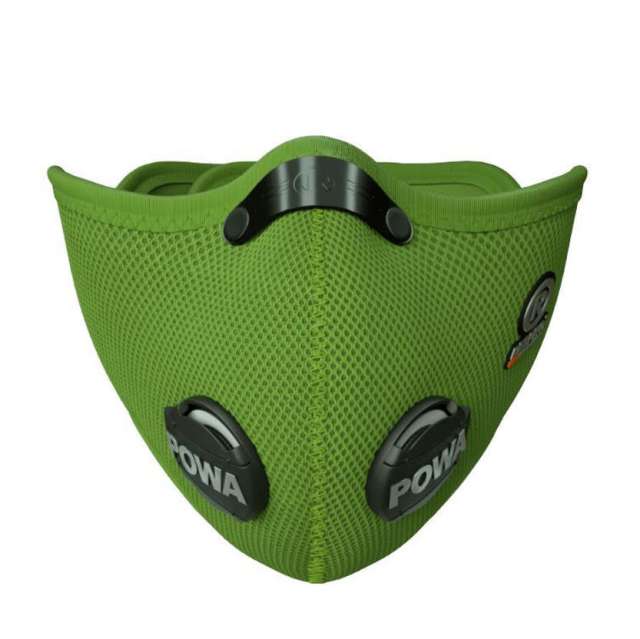
-
RESPRO® MASKS
-
Pollution Masks since 1993 - The 'Original' and still the best - Made in the UK - respro.com
-
THE AIR WE BREATHE
-
The Respro® Bulletin Board is designed to keep you up to date with current views and issues relating to Air Pollution and its health implications in our daily lives.
-
WATCH OUR ANIMATION
-

TOP POSTS AND PAGES
- Follow Respro® Bulletin Board on WordPress.com
-
LOCAL AIR QUALITY
-
Click the map to explore current air quality levels by country.

-
WILDFIRE PROTECTION
-

-
FOLLOW RESPRO®
-
WHY WEAR A MASK?
-
Essential features required of a mask to work properly: Why wear a mask?
-
For information on the products we provide please visit our website respro.com Respro® will ship your order of any product, any quantity to anywhere on the planet free of charge.
-
KEY POINTS TO A MASK
-
Three important points to look out for in an air pollution mask:
Key Points to a Mask -
SIZING GUIDE
-

-
TIME TO CHANGE YOUR FILTER?
-

-
THERE ARE FOUR RESPRO® FILTER TYPES
-

-
BUY NEW FILTERS
-

-
HOW TO CHANGE THE FILTER
-

-
RESPRO® ON INSTAGRAM
-


Air Pollution Air Quality Asthma Beijing Boris Johnson California Canada China Delhi Department for Environment Food and Rural Affairs (Defra) diesel exhaust fumes EU - European Union Europe forest fire France Germany HAZE Health Effects of Air Pollution India Indonesia Iran King's College London London London Mayor Malaysia Nitrogen Dioxide NO2 NOx Ozone O3 Paris PM - Particulate Matter PM2.5 PM10 Research Respro® Masks FAQ Respro® Products Scotland Singapore Smog Sulfur Dioxide SO2 Thailand UK USA vehicle emissions wildfires World Heath Organization (WHO)
-
CATEGORIES
- Africa
- Air Quality
- Allergies
- Asia
- Asthma
- Australia & Oceania
- Brazil
- Canada
- Chile
- China
- Colombia
- Cycling
- Europe
- Exercise & Air Pollution
- France
- Germany
- Hayfever
- Health Effects of Air Pollution
- Help & FAQs
- India
- Indonesia
- Iran
- Iraq
- Ireland
- Italy
- Japan
- Latin America
- London
- Malaysia
- Medical Studies
- Mexico
- Middle East
- Mongolia
- Philippines
- Poland
- Research on Air Pollution in the UK
- Respro® How To Videos
- Respro® Mask Reviews
- Respro® Masks
- Respro® Products
- Running
- Singapore
- South Korea
- Spain
- Sports
- Taiwan
- Thailand
- UK
- USA
- USA & Canada
- Vietnam
- World News
-


 Respro® Masks are reusable
 Respro® Bulletin Board