Chinese air pollution data was altered, statistical analysis suggests

Official Chinese air pollution data has previously shown evidence of manipulation when compared with data from US embassies in the same cities. The Chinese government has already taken action against the local officials involved, but now an independent statistical analysis shows the extent of the manipulation.

Jesse Turiel at Harvard University and Robert Kaufmann at Boston University looked at data from official Chinese monitoring stations as well as readings collected by US embassies in five cities: Beijing, Shenyang, Shanghai, Guangzhou and Chengdu. They found that there were regular divergences in the amount of PM2.5, a size of particulate with proven links to lung cancer, asthma and heart disease, recorded by Chinese and US stations.

The researchers looked at data from between 2015 and 2017, at which point the US stopped collecting data. They noticed a statistically unlikely amount of days on which pollution levels were just below the limit imposed by China’s “blue sky” policy, which created an index for each city where results at 100 or above were deemed too high and results 99 or below were acceptable.

“What that encouraged therefore, was any days that were close to 100 you’d just report 99, 98, 97,” says Turiel. “You could see this in the data. There was a very obvious bubble right below 100 and a very low proportion right at 100. People will use creative methods if they can get away with it.”

The divergences were 40 per cent more frequent than would be expected by chance, and 63 per cent of the discrepancies saw the Chinese data lower than the US readings. It was also more common to see misreporting on the days with the worst pollution, which is when the worst associated health effects are found.

Although these data discrepancies have been noted before, the pair’s work is the first time a robust statistical analysis has ruled out the possibility of it happening by chance.

The Chinese environment ministry announced in 2017 that 1140 officials were “held to account” for violating pollution rules after inspections the prior year. In early 2018 it said that it had caught officials from seven cities manipulating data.

Turiel doesn’t know whether crackdowns have stopped the problem, and US embassy data is no longer available to check. There is, however, evidence to suggest that air quality in Chinese cities improved during the period of the study.  The US data shows that annual concentrations of PM2.5 fell by more than 25 per cent between 2013 and 2017.

Turiel and Kaufmann believe that their statistical approach could be used by governments to spot fraud within local government and guide enforcement.

Chinese air pollution data was altered, statistical analysis suggests | New Scientist
Posted in Air Quality, Asia, China | Tagged , , , , , , , | Leave a comment

Four in 10 Americans live in counties with unhealthy air pollution levels

  1. Fairbanks, Alaska, Los Angeles and California cities get F rating
  2. American Lung Association tracks particle and ozone pollution

New research from the American Lung Association finds that more than four in 10 people – a whopping 135 million in the US – live in counties with unhealthy levels of particle or ozone pollution.

In their 22nd annual “State of the Air” report, released on Wednesday, the group examined federal data on the two most widespread types of air pollution to create a comprehensive overview of toxic air across the country. The annual air quality “report card” identifies the parts of the country with the most polluted air, and gives them a letter grade (from A to F). This year, it also found that people of color were three times as likely to live in the nation’s most polluted places.

“It’s important for people to know the quality of the air they breathe,” says Katherine Pruitt, national senior director for policy at the American Lung Association. “We feel there are way more people compared to last year living in unhealthy places for particle pollution.”

For their analysis, researchers examined data collected by federal, state, and local and tribal governments from 2017, 2018, and 2019 – the three years with the most recent quality-assured air pollution data. The most widespread outdoor air pollutants, ozone pollution and particle pollution, were analyzed.

Cities with the worst, year-round particle pollution include Fairbanks, Alaska, and a slew of cities in California, including Los Angeles and Bakersfield. “California has, unfortunately, always struggled at the top of all of our lists,” Pruitt says.

That might be surprising, considering California is known as an environmental leader when compared with other states. But the state has ideal conditions for bad air with lots of shipping, trucking and mountain ranges that create bowls where air pollution can be trapped. She adds that a key reason for the increase in air pollution was climate-change-fueled wildfires. “It’s like a perfect storm for air pollution.”

There are other ways a warming world is dirtying up the air. Ozone, commonly known as smog, is created when a combination of tailpipe, power plant and other health-harming emissions bake in sunlight and heat. “As the climate is starting to warm, we’re starting to see that the ozone is more likely to form,” Pruitt says, leading to more high ozone days, which leads to more adverse health consequences. Breathing polluted air for long periods of time can damage a person’s lungs and make it more difficult to fight respiratory disease, for instance.

The report’s findings – 135 million people live with dirty air – seem to be a slight improvement over last year, where 150 million people in the US were found to live in counties that flunked their air grade.

“Last year’s report was really quite bad,” Pruitt says. This year’s report did not look at data from 2017 to 2019, but the last three reports included the year 2016, “the hottest year on record. Getting rid of that really hot year, we had fewer places that had Fs for ozone compared to last year.”

This year’s state of the air report does not include 2020, when the pandemic idled swaths of the economy and consequently helped slash emissions. “We won’t know the impact of the pandemic on the air quality itself until our report next year,” Pruitt says, “It’s looking a lot more complicated than people thought it was last at this time. But we do know that people living in more polluted places are more likely to have bad outcomes from Covid-19.”

But Pruitt also points out that some trends are positive – thanks in part to the Clean Air Act, the principal piece of legislation responsible for reducing air pollution in the US since its passing in 1963. “It’s been subject to the vagaries of politics over the last 50 years,” Pruitt says. “We need to keep it intact.” Still, she adds, air quality standards for ozone and particle pollution are not strong enough to protect public health. The Trump administration relaxed the current standards.

“We’re asking the Biden administration to go back and re-evaluate those standards,” Pruitt says. “Because we believe they need to be strengthened.”

Four in 10 Americans live in counties with unhealthy air pollution levels | US news | The Guardian

Posted in Air Quality, Health Effects of Air Pollution, USA, USA & Canada | Tagged , , , , , , , | Leave a comment

UK should set tougher air pollution limits, says Kissi-Debrah coroner

The UK government should impose tougher limits on air pollution, in line with World Health Organization recommendations, to prevent more deaths like those of 9-year old Ella Kissi-Debrah, a coroner has urged.

An inquest last year by coroner Philip Barlow into the death of Kissi-Debrah in 2013 found that her exposure to dangerously dirty air in London had played a material role. She lived and walked to school in an area of south London that frequently breached UK limits for air pollution.

In a report published today on preventing future deaths, Barlow made three recommendations. He told the government to bolster the UK’s air pollution limits, noting that they currently “far higher” than the WHO’s guidelines. “Legally binding targets based on WHO guidelines would reduce the number of deaths from air pollution in the UK,” he said.

Barlow added that doctors and nurses are failing to sufficiently communicate the health risks of exposure to dirty air, and professional medical bodies need to address the shortcoming. Public awareness of local and national air pollution levels are low, Barlow noted, which could be fixed by increasing the number of air quality sensors, he suggested. Central and local government must tackle that, he said.

Rosamund Kissi-Debrah, Ella’s mother, said in a statement that she would ask the UK’s environment secretary George Eustice to legislate to implement WHO air pollution rules in the wake of the report.

“Children are dying unnecessarily because the government is not doing enough to combat air pollution. In order to save lives the government must act now and take the three steps that the coroner has identified in his report,” she said.

UK should set tougher air pollution limits, says Kissi-Debrah coroner | New Scientist

Posted in Air Quality | Tagged | Leave a comment

5 best anti-pollution masks for cycling that keep your commute cleaner

We put the protectors to the test to bring you the top choices to travel with

Poor air quality is blamed for thousands of premature deaths across the UK, and the Volkswagen emissions scandal and pressure from climate committees to improve energy efficiency have pushed the issue up the political agenda.

Plans to ban petrol and diesel cars in the UK are accelerating. The transport secretary Grant Shapps announced in October of last year that the government’s target to ensure all new car models are zero-emmission by 2040 may be brought forward to 2035. Meanwhile diesel car drivers now face a £12.50 daily fee to drive in the centre of London after the capital launched its ultra low emission zone in April 2019. Although governments here and abroad are beginning to take the problem seriously, many individuals are taking matters into their own hands by purchasing a face mask.

The air in major cities, including London, is dirtiest of all. A growing body of research suggests smaller particulate matter – the term for particles found in the air including dust, dirt, soot and smoke – is responsible for the most adverse health effects. Particulates are measured in microns, equal to one millionth of a metre. Those that are 50+ microns in diameter can be seen by the naked eye, but those measuring 2.5 microns or smaller, are invisible – and, according to a government report, pose the greatest health risk.

Particulate types include asbestos dust from car and lorry brake linings, road dust, fumes from diesel vehicles and pollen. The variation in size of these particulates comes from the type of fuel and how efficiently it is burned.

Some masks are capable of cleaning pollutants measuring 0.3 of a micron from the air you breathe. The N95 and N99 labels that are commonly (though confusingly, not universally) used to describe effectiveness refer to the amount of airborne particles that are filtered – 95 per cent and 99 per cent respectively.

As one technician at Respro, the market leader for anti-pollution masks, puts it: “It’s not uncommon for 3000l of air to pass through your lungs while cycling to and from work on a half-hour round trip. Multiply that by five days a week, 50 weeks a year, and that’s a lot of pollution for your body to deal with.”

Despite the obvious health benefits, wearing a mask can be uncomfortable, and some users complain that they restrict the amount of oxygen it is possible to inhale in each breath. It is for this reason that getting the right mask – and making sure it fits properly – is essential.

There are many different types of mask on the market. In terms of shape, there are those that cover the whole of the lower face, including the nose and mouth, versus those which cover just the mouth – for these you should use the nose only to breathe out. The masks on offer also differ by the technology they use. The most basic (not reviewed below) offer little more protection than a surgical mask, while the top-end coverings come with sophisticated multi-layer filters.

It is vital that you choose a correctly sized mask, as each will sit on the face slightly differently. Best would be to visit a local stockist in person. Alternatively, you can take detailed measurements to ensure the mask does the job of filtering the air you are breathing and is comfortable at the same time.

You can trust our independent reviews. We may earn commission from some of the retailers, but we never allow this to influence selections, which are formed from real-world testing and expert advice. This revenue helps us to fund journalism across The Independent.

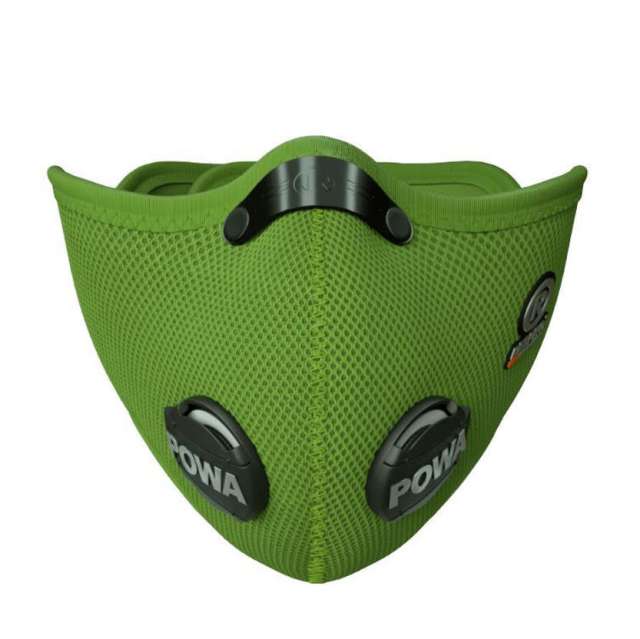
Respro® Ultralight mask (N99):

Respro’s ultralight mask uses a stretchy fabric that allows the face to breathe in hot and humid conditions, which made it comfortable to wear for the duration of our 40-minute commute. It comes in four sizes, boasts two exhale valves (which allow the air you are breathing out to leave the mask) and an “unbreakable” nose clip that keeps the mask snug to your face. The two valves improve airflow performance, making breathing a little easier and reducing condensation that inevitably builds up in the mask, especially on cold mornings. The filters, which are designed to filter “sub-micron” particulates (those measuring smaller than one micron), were also able to cut out bad smells, something which was less noticeable with other masks we tried and which made traffic-clogged streets a little more pleasant.

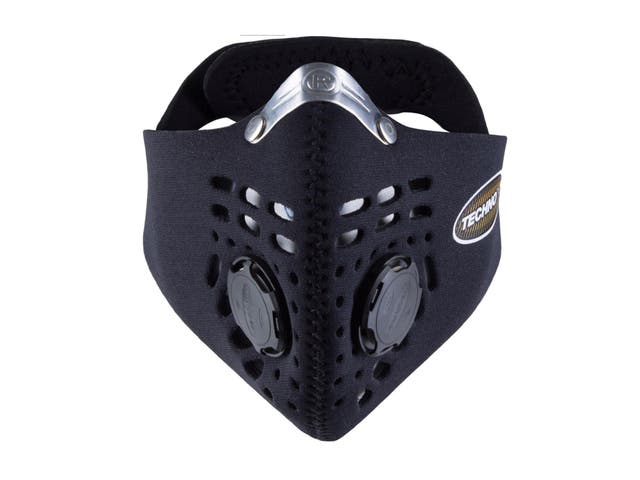
Respro® Techno (N99):

The techno mask is made from a neoprene skin that neatly follows the contours of the face, giving it a snug fit and ensuring all the air is forced through the filters. Like the ultralight, this mask comes with the filter for sub-micron particulates. However, we found the techno a little less comfortable than the first Respro product we tested, in part because it does not have rapid airflow valves, meaning there is slightly more resistance when breathing in and out. As with the Ultralight mask, the Velcro fastening makes adjusting the fit fuss-free. Again, there are several sizes to choose from.

via independent.co.uk/extras/indybest/outdoor-activity/cycling/best-anti-pollution-mask-cycling-review-london-a7952771.html

Posted in Respro® Mask Reviews, Respro® Products | Tagged | Leave a comment

Scientists identify severe asthma species, show air pollutant as likely contributor

An epidemiological study has shown that not only is non-Th2 a distinct asthma disease, its likely inducer is early childhood exposure to airborne Benzo[a]pyrene, a byproduct of fossil fuel combustion.

Asthma afflicts more than 300 million people worldwide. The most severe manifestation, known as non-Th2, or non-atopic childhood asthma, represents the majority of the cases, greater than 85%, particularly in low-income countries, according to Hyunok Choi, an associate professor at the Lehigh University College of Health. Yet, whether non-Th2 is a distinct disease (or endotype) or simply a unique set of symptoms (or phenotype) remains unknown.

“Non-Th2 asthma is associated with very poor prognosis in children and great, life-long suffering due to the absence of effective therapies,” says Choi. “There is an urgent need to better understand its mechanistic origin to enable early diagnosis and to stop the progression of the disease before it becomes severe.”

Studies show that nearly 50% of the children whose asthma is poorly controlled are expected to emerge as severe adult cases. Yet, a one-size-fits-all treatment approach, currently the norm for asthma, is ineffective and, says Choi, and partially responsible for asthma’s growing economic burden.

“The primary reason for lack of therapeutic and preventive measures is that no etiologic, or causal, driver has ever been identified for the non-Th2 asthma,” says Choi.

Now, for the first time, an epidemiological study, led by Choi, has shown that not only is non-Th2 a distinct disease, its likely inducer is early childhood exposure to airborne Benzo[a]pyrene, a byproduct of fossil fuel combustion. Choi and her colleagues are the first to demonstrate air pollution as a driver of the most challenging type of asthma, the severe subtype which is non-responsive to current therapies.

The team describes their results in an article recently published online in Environmental Health Journal called “Airborne Benzo[a]Pyrene May Contribute to Divergent Pheno-Endotypes in Children.”

What is termed asthma is an umbrella word for multiple diseases with common symptoms. Asthma has been broadly classified as two major sets of symptoms: T helper cell high (Th2-high) and T helper cell low (non-Th2). Th2-high is associated with early-childhood allergies to common pollutants such as pet dander, tree pollens, or mold. In contrast, non-TH2 is not related to an allergic response. The non-Th2 type, marked explicitly by being non-allergy-related, is far less understood than the TH-2 type and could transform into severe or difficult to treat type.

“The identification of non-Th2 asthma as a distinct disease, with early exposure to Benzo[a]pyrene as a driver, has the potential to impact tens of millions of sufferers, since this would make it possible to intervene before the onset of irreversible respiratory injuries,” says Choi.

The team tested two comparable groups of children from an industrial city, Ostrava, and the surrounding semi-rural area of Southern Bohemia, in the Czech Republic: 194 children with asthma and a control group consisting of 191 children. According to the study, Ostrava is an industrial city with a high level of coal mining activities, coal processing, and metallurgical refinement. The district-level ambient mean for Benzo[a]pyrene at the time of their investigation November 2008) was 11-times higher than the recommended outdoor and indoor air quality standard.

Not only was elevated exposure to Benzo[a]pyrene associated with correspondingly elevated odds of non-Th2 asthma, it was also associated with depressed systemic oxidant levels.

“Contrary to the current body of evidence supporting adult onset of non-atopic asthma, our data suggest for the first time that the lung function deficit and suppressed oxidative stress levels during early childhood are critical sentinel events preceding non-atopic asthma,” says Choi.

Scientists identify severe asthma species, show air pollutant as likely contributor — ScienceDaily
Posted in Air Quality, Asthma, Health Effects of Air Pollution, Medical Studies, World News | Tagged , , , , , | Leave a comment

7 Best Anti-Pollution Cycling Masks to Wear on Your Commute

As far as health is concerned it’s a no-brainer: cycling outside has myriad wellbeing benefits – both physical and psychological. However, if you cycle in a busy town or city, then it’s worth investing in an anti-pollution cycling mask.

A 2018 report by the World Health Organisation found that 40 areas in the UK, including London, Manchester and Swansea, are at or have exceeded air pollution limits.

Exposure to black carbon – the sooty, fine-particle pollution that’s emitted from diesel fumes, dust and sources that burn fossil fuels – can, over time, have serious health consequences, and increases the risk of developing respiratory diseases, lung cancer, heart disease and strokes.

That’s where anti-pollution cycling masks come in. A study, published in the journal of Atmospheric Environment, which assessed air pollution exposure in cities found that people are most exposed to black carbon when cycling.

Anti-pollution cycling masks help to filter out tiny black carbon particles, to reduce your exposure whilst going about your commute.

How do anti-pollution cycling masks work?

Anti-pollution cycling masks either have built-in or removable filters that help to significantly reduce the inhalation of harmful particles from air pollution.

They don’t look that dissimilar to the face masks we wear daily to slow transmission of COVID-19 – they cover the mouth and nose and loop over the ears or around the head – though it’s worth noting that the two aren’t interchangeable as anti-pollution masks for cyclists aren’t medically regulated, and often don’t provide the same level of protection against viruses.

Filters which are common on cycling masks (to make it easier to breathe) have also been found to be counter-productive in virus spread prevention.

What to look for in an anti-pollution cycling mask

There are two important considerations when shopping for an anti-pollution cycling mask.

The first: make sure it has an N95 or N99 certification, which indicates the percentage of particles the mask can potentially protect against. So, an N95 rating filters 95% of small particulate, whilst an N99 rating filters 99%.

Secondly, search for an anti-pollution cycling mask that fits your face well. Pay attention to online sizing guides, as too large and gaping could render the mask effectively pointless, and too small could result in discomfort.

1) Respro® Ultralight™ Mask

£39.99

Respro’s Ultralight™ was designed for use in hot and humid conditions, so it’s ideal for cycling.

Four-way stretch fabric allows a comfy fit, and a velcro fastening relieves ears from any discomfort.

The PM2.5 filter helps to block tiny particles from pollution.

5) Respro® Techno™ Mask

£35.99

Respro’s Techno™ mask comes in three adult sizes and four colour options.

It has a combination filter system that blocks small particle pollution including PM2.5, and filters are replaceable.

The velcro fastening and nose pinch tab offer a comfy, adjustable fit.

via Women’s Health

Posted in Respro® Mask Reviews, Respro® Products | Tagged | 3 Comments

Air pollution may affect severity and hospitalization in COVID-19 patients: Preliminary findings for pilot study could have policy implications

Patients who have preexisting respiratory conditions such as asthma or chronic obstructive pulmonary disease (COPD) and live in areas with high levels of air pollution have a greater chance of hospitalization if they contract COVID-19, says a University of Cincinnati researcher.

Angelico Mendy, MD, PhD, assistant professor of environmental and public health sciences, at the UC College of Medicine, looked at the health outcomes and backgrounds of 1,128 COVID-19 patients at UC Health, the UC-affiliated health care system in Greater Cincinnati.

Mendy led a team of researchers in an individual-level study which used a statistical model to evaluate the association between long-term exposure to particulate matter less or equal to 2.5 micrometers — it refers to a mixture of tiny particles and droplets in the air that are two-and-one half microns or less in width — and hospitalizations for COVID-19. Medical records allowed researchers to use patients’ zip codes for estimating their particulate exposure over a 10-year period.

“Particulate matter is very small, small enough to be inhaled deep into the lungs, they cross into the blood and also affect other organ systems,” says Mendy. “Air pollution as a result of emissions from automobiles, factories or other sources is a generator of particulate matter.”

“Our study didn’t find any correlation between severity of COVID-19 and particulate matter in general, but we found something for people who had asthma and COPD,” says Mendy. “People who have preexisting asthma and COPD, when they are exposed to higher levels of particulate matter, they are more likely to have severe COVID-19, severe enough to be hospitalized.”

Researchers found that a one-unit increase in particulate matter 2.5 was associated with a 60% higher chance of hospitalization for COVID-19 patients with pre-existing respiratory disease. For patients without respiratory disease, no association was observed.

The study’s findings were published online in the scholarly journal Respiratory Medicine.

It is the first study to look at an association between air pollution, COVID-19 and individual patients, says Mendy. A study co-author, Xiao Wu, PhD, in the Department of Biostatistics at Harvard University, led a study last year looking at air pollution and COVID-19 mortality in the United States.

“This study may have policy implications such as reducing particulate exposure,” says Mendy. “Many people want to have more clean energy and reduced emissions into the atmosphere.”

Mendy says the findings of his pilot study are preliminary and he hopes to use it to generate support for a larger more comprehensive study of patients. The UC Health patients in the study were diagnosed with COVID-19 between March 13, 2020 and July 5, 2020. The dataset was stripped of all Health Insurance Portability and Accountability Act (HIPAA) identifiers. The median age for patients was 46 and 96.6% were residents of Ohio with the remaining 3.4% coming from Kentucky, Indiana, New York, South Carolina, West Virginia and Iowa.

Other study co-authors from UC include Jason Keller, a researcher in the Department of Bioinformatics; Cecily Fassler, PhD, postdoctoral fellow in the Department of Environmental and Public Health Sciences; Senu Apewokin, MD, an assistant professor in the Department of Internal Medicine; Tesfaye Mersha, an associate professor pediatrics; and Changchun Xie, PhD, and Susan Pinney, PhD, both professors in the Department of Environmental and Public Health Sciences.

Funding for the study included various grants from the National Institutes of Health supporting researchers.

Story Source: Materials provided by University of Cincinnati. Original written by Cedric Ricks. Note: Content may be edited for style and length.

Air pollution may affect severity and hospitalization in COVID-19 patients: Preliminary findings for pilot study could have policy implications — ScienceDaily
Posted in Air Quality | Leave a comment

Vélo: 6 accessoires pour rouler en toute sécurité

Un masque… pour éviter de respirer poussières, particules polluantes et pollens

Il cache le nez et la bouche, mais attention, son filtre, fixe ou amovible, n’est pas conçu pour protéger du Covid-19…

On aime Le Respro® City. Ce masque souple, en Néoprène hypoallergénique, s’attache avec des Velcro. Et, avec ses deux valves pour évacuer l’humidité produite par la respiration, il est confor- table (45 € avec un filtre). Bon à savoir Il existe deux types de filtre : City, dont le charbon actif protège de la pollution des villes, ou Sports, électrostatique, qui retient la poussière et les pollens. Les deux sont lavables. Leur durée de vie : de quatre à six mois.

Et aussi Les foulards lavables avec filtre intégré HAD Smog Protection (35 €) et Faceguard (44,95 €).

via femina.fr/article/a-velo-en-toute-securite

Posted in Air Quality | Tagged | Leave a comment