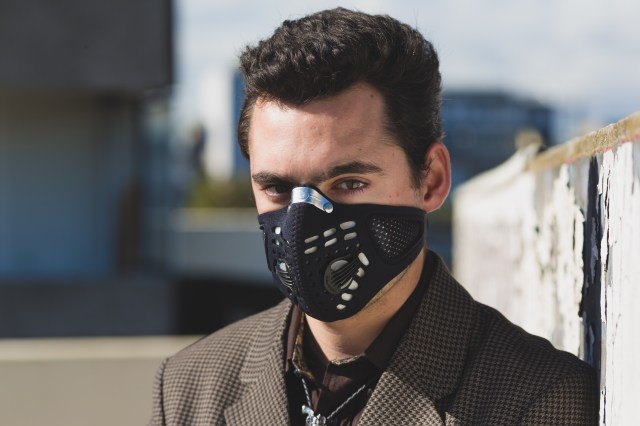
Air pollution likely to increase coronavirus death rate, warn experts

Lung damage from dirty air may worsen infections, but isolation measures improving air quality

The health damage inflicted on people by long-standing air pollution in cities is likely to increase the death rate from coronavirus infections, experts have said.

Dirty air is known to cause lung and heart damage and is responsible for at least 8m early deaths a year. This underlying health damage means respiratory infections, such as coronavirus, may well have a more serious impact on city dwellers and those exposed to toxic fumes, than on others.

However, strict confinement measures in China, where the coronavirus outbreak began, and in Italy, Europe’s most affected nation, have led to falls in air pollution as fewer vehicles are driven and industrial emissions fall. A preliminary calculation by a US expert suggests that tens of thousands of premature deaths from air pollution may have been avoided by the cleaner air in China, far higher than the 3,208 coronavirus deaths.

The experts stressed, however, that no one is claiming the pandemic can be seen as good for health and it is too early for conclusive studies to have been done. In particular, they said, other indirect health impacts of the coronavirus, via lost income and lack of treatment for other illnesses, will also be large.

While urban air pollution has declined in developed countries, the understanding of the widespread damage it causes to health has increased, and toxic air has risen to extreme levels in developing countries, such as India.

“Patients with chronic lung and heart conditions caused or worsened by long-term exposure to air pollution are less able to fight off lung infections and more likely to die. This is likely also the case for Covid-19,” said Sara De Matteis, at Cagliari University, Italy, and a member of the environmental health committee of the European Respiratory Society. “By lowering air pollution levels we can help the most vulnerable in their fight against this and any possible future pandemics.”

There is evidence from previous coronavirus outbreaks that those exposed to dirty air are more at risk of dying. Scientists who analysed the Sars coronavirus outbreak in China in 2003 found that infected people who lived in areas with more air pollution were twice as likely to die as those in less polluted places.

Research on the Mers coronavirus outbreak, first seen in Saudi Arabia in 2012, showed that tobacco smokers were more likely to get the disease and were more likely to die. Early research on Covid-19 suggests smokers and former smokers are more susceptible to the virus. But one difference is that Covid-19 appears to have a lower overall mortality rate than Sars or Mers.

“Given what we know now, it is very likely that people who are exposed to more air pollution and who are smoking tobacco products are going to fare worse if infected with [Covid-19] than those who are breathing cleaner air, and who don’t smoke,” Aaron Bernstein, at the Harvard TH Chan School of Public Health told the Washington Post.

Reductions in air pollution have been recorded over northern Italy, the centre of that nation’s outbreak. Air pollution also fell sharply across China in the four weeks after 25 January, when regions shut down in response to the outbreak. The level of PM2.5, dangerous small pollution particles, fell by 25%, while nitrogen dioxide, produced mainly by diesel vehicles, dropped by 40%.

The link between such pollutants and early deaths are well known and Marshall Burke, at Stanford University in the US, used the data to estimate the impacts on air pollution mortality. The young and old are worst affected by dirty air and, using conservative assumptions, Burke calculated the cleaner air may have prevented 1,400 early deaths in children under five and 51,700 early deaths in people over 70.

“It seems clearly incorrect and foolhardy to conclude that pandemics are good for health,” he said. “But the calculation is perhaps a useful reminder of the often-hidden health consequences of the status quo, ie, the substantial costs that our current way of doing things exacts on our health and livelihoods.”

He said that indirect impacts of Covid-19 are probably much higher than currently known. “It seems likely that any ‘benefits’ from reduced air pollution are going to be dominated by the direct and, especially, the indirect costs of the virus, [such as] the health effects of lost income and the morbidity/mortality costs of non-Covid health problems going untreated.”

Sascha Marschang, the acting secretary general of the European Public Health Alliance, said: “Once this crisis is over, policymakers should speed up measures to get dirty vehicles off our roads. Science tells us that epidemics like Covid-19 will occur with increasing frequency. So cleaning up the streets is a basic investment for a healthier future.”

via Air pollution likely to increase coronavirus death rate, warn experts | Environment | The Guardian

Posted in Air Quality, Health Effects of Air Pollution, Medical Studies | Tagged , , , , | Leave a comment

Northern Thailand chokes under shroud of smog

Chiang Mai may have fallen to third in the race for world’s worst air quality today, but northern Thailand is still choking under a blanket of toxic haze, and the Thai Meteorological Department has forecast “hot to very hot conditions” for the region. The department urges people in the north to “stay safe due to the very hot conditions.”

Visibility on northern roads this morning was just 10 metres, and the morning sun was a dark orange ball due to the haze. The thick smog has blanketed most of the northern provinces, causing difficulty in breathing, sore throats and burning noses.

The shroud is due to forest and crop field burning and forest fires in the region as well as in neighbouring countries, particularly Cambodia. The level PM2.5 (particulate matter of 2.5 microns or less) in the Northern region is still high and is affecting many residents’ health. PM Prayut Chan-ocha has ordered the Royal Thai Air Force to dispatch helicopters to spray water to reduce the impact.

There is a ban on agricultural burning in the region and the PM has ordered all relevant agencies to control and extinguish forest fires, and to strictly prevent new ones so as to urgently reduce the haze level.

The PM has also ordered relevant agencies to implement public health care measures such as arranging safe zones and dispatching mobile medical units until the situation can brought under control.

via Northern Thailand chokes under shroud of smog | The Thaiger

Posted in Air Quality, Asia, Thailand | Tagged , , , , , | Leave a comment

Air pollution in CEE has a high economic and human cost – Emerging Europe

Air quality in parts of Central and Eastern Europe is poor, and not enough is being done to tackle the problem.

Poland is the worst offender. The Polish Economic Institute recently released staggering figures regarding the economic costs of air pollution, estimating that the Polish economy loses around 111 billion zloty (25 billion euros) annually.

Even more worryingly, there is a human cost to pollution as well. In Poland, an estimated 43,000 people die prematurely from preventable diseases related to polluted air.

The European Environment Agency (EEA) supports these numbers. In its latest report – from 2016 – it claims that the number of premature deaths each year in Poland tops 43,100, more than 10 per cent of the 400,000 deaths it estimates for the whole of the European Union.

Thirty-three of the most polluted 50 cities in the European Union are in Poland. This is mostly due to the country’s reliance on coal for its energy needs.

“I will focus on PM2.5, which is, according to the World Health Organisation, the most harmful pollutant for human health and the one posing biggest challenges in the CEE countries. In that region, the main emitting sector of primary PM2.5 is the commercial, institutional and household sector. This means, basically, the combustion of fuels for heating,” Alberto González Ortiz, air quality expert at the EEA, tells Emerging Europe.

The situation is similar around the region, especially in the Western Balkans. In the last few months of last year, coinciding with the beginning of winter, pollution was out of control.

Belgrade, Zagreb, Skopje, and Sarajevo all found themselves in the unenviable position of being in top 10 cities in the world with the worst quality of air.

In all of these cities, it is ageing infrastructure and reliance on lignite to produce electricity which causes most problems.

For instance, the 16 brown coal-fired power plants in the former Yugoslavia create as much pollution as all 296 EU coal-fired power plants combined. Additional sources of pollution are old cars and households burning coal and wood for heat.

Things have now become so bad that people are beginning to protest, demanding governments take action.

First there were social media posts online and then citizens in Serbia eventually took to the streets in February. Although by then the air quality had improved slightly, those protesting, led by the Ne Davimo Beograd (Don’t Drown Belgrade) organisation pointed out that improvements in quality because of wind and rain blowing poisonous particles away are not a replacement for concerted institutional efforts.

Politicians in the region have largely downplayed the risks, aware of the cost of moving away from coal.

Serbia’s minister for environmental protection Goran Trivan has said that curbing pollution will cost the state 2.4 billion euros, shedding some light on why the government seems to be dragging its feet.

In Sarajevo, the city government has recommended that people wear masks, close their windows, and only go outside unless they really need to. And this was before the coronavirus took hold in Europe.

The capital of Bosnia and Herzegovina is especially vulnerable because of its geographical location. Surrounded by mountains, the city has always been among the most polluted in the region. While the mountains make for beautiful landscape, they also trap pollutants in the city.

The events of the last few months have caused many to think about the link between air pollution and climate change.

“Climate change is not the cause of air pollution, but climate change makes the air pollution problem worse,” says Danijela Božanić, a climate change expert.

She went on to explain that climate change brings out weather conditions which make it hard for pollutants to disperse into the higher layers of the atmosphere or across a wider geographical area.

Experts and activists make it clear that structural change is necessary.

“Any action to switch to cleaner fuels and to have more efficient ways of heating will help. For example, the promotion of district heating systems, replacing of old stoves, switching to fuels with lower emissions, or the insulation of buildings,” says Mr Gonzáles Ortiz.

There is some good news in the region, however.

In February, North Macedonia approved a national energy strategy that makes it the first country in the Western Balkans to consider a coal phase-out before 2030.

Two of the strategy’s scenarios entail a coal exit by 2025, with the third delaying the closure of the Bitola lignite power plant until 2040. A final decision on which pathway to take will be made later in the year.

via Air pollution in CEE has a high economic and human cost – Emerging Europe | News, Intelligence, Community

Posted in Air Quality, Europe, Poland | Tagged , , , , , , , , | Leave a comment

Air pollution exposure takes a heavy toll on gut bacteria, boosting risk of chronic illnesses

Breathing dirty air takes a heavy toll on gut bacteria, boosting risk of obesity, diabetes, gastrointestinal disorders and other chronic illnesses, new University of Colorado Boulder research suggests.

The study, published online in the journal Environment International, is the first to link air pollution to changes in the structure and function of the human gut microbiome – the collection of trillions of microorganisms residing within us.

The gaseous pollutant ozone, which helps make up Denver’s infamous ‘brown cloud’ – is particularly hazardous, the study found, with young adults exposed to higher levels of ozone showing less microbial diversity and more of certain species associated with obesity and disease.

“We know from previous research that air pollutants can have a whole host of adverse health effects,” said senior author Tanya Alderete, an assistant professor of integrative physiology, pointing to studies linking smog with Type 2 diabetes, weight gain and inflammatory bowel diseases. “The takeaway from this paper is that some of those effects might be due to changes in the gut.”

The study comes at a time when air quality in many U.S. cities is worsening after decades of improvement. In December, the Environmental Protection Agency downgraded the Denver metro and north Front Range regions to “serious non-attainment” status for failing to meet national ozone standards.

Regions of eight other states, including some in California, Texas, Illinois, Connecticut, Indiana, New Jersey, New York and Wisconsin, were also penalized for high ozone. Worldwide, according to research published this month, air pollution kills 8.8 million people annually – more than smoking or war.

While much attention has been paid to respiratory health, Alderete’s previous studies have shown pollution can also impair the body’s ability to regulate blood sugar and influence risk for obesity. Other research has shown visits to emergency rooms for gastrointestinal problems spike on high pollution days, and youth with high exposure to traffic exhaust have greater risk of developing Crohn’s disease.

To investigate just what might be going on inside the gut, Alderete’s team used cutting-edge whole-genome sequencing to analyze fecal samples from 101 young adults in Southern California.

The researchers looked at data from air-monitoring stations near the subjects’ addresses to calculate their previous-year exposure to ozone (which forms when emissions from vehicles are exposed to sunlight), particulate matter (hazardous particles suspended in the air), and nitrous oxide (a toxic byproduct of burning fossil fuel).

Of all the pollutants measured, ozone had the greatest impact on the gut by far, accounting for about 11% of the variation seen between study subjects – more of an impact than gender, ethnicity or even diet. Those with higher exposure to ozone also had less variety of bacteria living in their gut.

Subjects with higher exposure to ozone also had a greater abundance of a specific species called Bacteroides caecimuris. That’s important, because some studies have associated high levels of Bacteroides with obesty.

In all, the researchers identified 128 bacterial species influenced by increased ozone exposure. Some may impact the release of insulin, the hormone responsible for ushering sugar into the muscles for energy. Other species can produce metabolites, including fatty acids, which help maintain gut barrier integrity and ward off inflammation.

“Ozone is likely changing the environment of your gut to favor some bacteria over others, and that can have health consequences,” said Alderete.

The study was relatively small and has some limitations, including the fact that stool samples were taken only once.

Alderete is now moving ahead with a larger, more expansive study of young adults in the Denver area. Thanks to a new grant from the nonprofit Health Effects Institute, she’s also exploring how prenatal or early-life exposure to air pollution impacts the formation of the gut microbiome in 240 infants.

She said she hopes her work will ultimately influence policymakers to consider moving parks, playgrounds and housing developments away from busy roads and high pollution areas, and invest more in meeting or exceeding air quality standards.

“A lot of work still needs to be done, but this adds to a growing body of literature showing that human exposure to air pollution can have lasting, harmful effects on human health.”

via Air pollution exposure takes a heavy toll on gut bacteria, boosting risk of chronic illnesses

Posted in Health Effects of Air Pollution, Medical Studies, USA, USA & Canada | Tagged , , , , | Leave a comment

Air Quality Levels in Northern Thailand at Unsafe Levels

Chiang Mai yesterday afternoon (March 10) became once again the city with the worst air quality in the world, according to AirVisual.com. Chiang Mai’s air quality index (AQI) had a PM2.5 level of 239 micrograms per cubic metre on average.

Much higher than the 100 AQI (Air Quality Index) safety standard. Areas with the highest PM2.5 levels included Chiang Dao district at 445 and Mae Taeng district at 355, the Nation reports.

The AQI is a standard that indicates the level of air pollution. Level 0-50 means good air quality; 51-100 means moderate quality; 101-105 will affect sensitive groups; 151-200 is slightly harmful to health; 201-300 is highly harmful and 301-500 means extremely dangerous.

The Pollution Control Department reported that air quality in the North will worsen this week due to the burning of fields and farmlands in neighbouring countries. Which has created high levels of particulate matter less than 2.5 microns in diameter, or PM2.5, in the region.

The department cited heat signature readings, which have spiked around Tachileik city at the Mae Sai border in Chiang Rai. Despite the burning ban in Chiang Rai, haze from neighboring Myanmar and Laos is smothering the north. The PM2.5 dust levels in Chiang Rai has once again hit very unhealthy levels.

via Air Quality Levels in Northern Thailand at Unsafe Levels

Posted in Air Quality, Asia, Thailand | Tagged , , , , , , , | Leave a comment

Air pollution is one of the world’s most dangerous health risks

Polluted air is a public health hazard that cannot be evaded. It is widely known that long-term exposure to air pollution enhances the risks of cardiovascular and respiratory diseases. Scientists from the Max Planck Institute for Chemistry and the University Medical Center Mainz now calculated in a new study that the global, public loss of life expectancy caused by air pollution is higher than many other risk factors such as smoking, infectious diseases or violence.

Air pollution caused 8.8 million premature deaths worldwide in 2015. This corresponds to an average reduction in life expectancy per capita of 2.9 years. In comparison, tobacco smoking reduces the life expectancy by an average of 2.2 years (7.2 million deaths), HIV / AIDS by 0.7 years (1 million deaths), parasitic and vector-borne diseases such as malaria — by 0.6 years (600,000 deaths). “Air pollution exceeds malaria as a cause of premature death by a factor of 19; it exceeds violence by a factor of 17 and HIV / AIDS by a factor of 9. Given the huge impact on public health and the global population, one could say that our results indicate an air pollution pandemic,” said Jos Lelieveld, director at Max Planck Institute for Chemistry and first author of the study.

This study is the first to examine the global impact of air pollution on human health compared to other risk factors worldwide. “Our comparison of different global risk factors shows that ambient air pollution is a leading cause of premature mortality and loss of life expectancy, in particular through cardiovascular diseases,” says Thomas Münzel, director of the Cardiology Center at the University Medical Center in Mainz and co-author of the paper.

Relationship between pollution and disease

The scientists examined the connection between exposure to pollutants and the occurrence of diseases. In order to calculate the worldwide exposure to pollutants, which primarily include fine particles and ozone, the researchers used an atmospheric chemical mode. They then combined the exposure data with the Global Exposure — Mortality Model that derives from many epidemiological cohort studies. Using these tools and data, scientists investigated the effects of different pollution sources, distinguishing between natural (wildfires, aeolian dust) and anthropogenic emissions, including fossil fuel use. Based on their results they could estimate the disease-specific excess mortality and loss of life expectancy in all countries world-wide.

The study results show that the mortality caused by ambient air pollution is highest in East Asia (35 percent) and South Asia (32 percent), followed by Africa (11 percent), Europe (9 percent) and North- and South America (6 percent). Lowest mortality rates are found in Australia (1,5 percent) associated with the strictest air quality standards of all countries. “We understand more and more that fine particles primarily favor vascular damage and thus diseases such as heart attack, stroke, cardiac arrhythmia and heart failure. It is of outmost importance that air pollution is adopted as a cardiovascular risk factor and that it is distinctly mentioned in the ESC/AHA guidelines of prevention, acute and coronary syndromes and heart failure,” continued Münzel.

Avoidable deaths

According to the findings of the study, almost two thirds of the deaths caused by air pollution, namely around 5.5 million a year are avoidable, and the majority of polluted air comes from the use of fossil fuels. The researchers estimate that the average life expectancy world-wide would increase by more than a year if the emissions from the use of fossil fuels were eliminated.

The team from the University Medical Center Mainz and Max Planck Institute for Chemistry published a similar paper last year focusing on the consequences of air pollution in Europe. According to the earlier study, nearly 800,000 Europeans die prematurely every year due to illnesses caused by air pollution. Polluted air shortens the lifespan of Europeans by more than two years.

via Air pollution is one of the world’s most dangerous health risks — ScienceDaily

Posted in Air Quality, Health Effects of Air Pollution, Medical Studies, World News | Tagged , , | Leave a comment

Outdoor air pollution cuts three years from human lifespan – study

Outdoor air pollution cuts three years from human lifespan – study
Global survey finds average figure is higher than that caused by smoking tobacco

Humans are missing out on almost three years of life expectancy on average because of outdoor air pollution, researchers have found.

However, the study reveals more than a year of life expectancy could be clawed back if fossil fuel emissions are cut to zero, while if all controllable air pollution is cut – a category that does not include particles from natural wildfires or wind-born dust – global life expectancy could rise by more than 20 months.

“This corroborates that fossil fuel-generated air pollution qualifies as a major global health risk factor by itself,” the authors write.

The study builds on the team’s previous research that confirmed about 8.8m early deaths a year worldwide, twice the figure from prior estimates, are caused by outdoor air pollution, with the new work examining the issue both for the world as a whole, and in detail for particular regions and countries.

“The loss of life expectancy from air pollution is much higher than many other risk factors, and even higher than smoking,” said co-author Prof Jos Lelieveld of the Max Planck Institute for Chemistry. “That was quite unexpected, I must say.”

As with the team’s previous work, the new study draws on a recently developed model of the impact of fine particulate matter known as PM2.5 on the body, as well as a model for the impact of ozone, levels of exposure to these pollutants, and population and mortality figures for 2015.

From this data, the team calculated the proportion of early deaths that could be attributed to outdoor air pollution across six categories, including unspecified non-communicable diseases – a category that encompasses conditions such as high blood pressure and diabetes.

The results reveal that, globally, 2.9 years of life expectancy on average are lost because of outdoor air pollution – a bigger toll than tobacco smoking (2.2 years lost), violence (0.3 years lost), HIV/Aids (0.7 years lost) and diseases spread by parasites and other vectors (0.6 years lost).

Should avoidable outdoor air pollution be cut, the team adds, more than 5.5m early deaths globally could be avoided every year.

However, there are variations between regions and countries: such a measure would save 2.4m early deaths a year in east Asia and regain three out of the 3.9 years of life expectancy lost because of outdoor air pollution. However, in Africa only 230,000 early deaths a year, and just over eight months of the 3.1 years of life expectancy lost, would be saved. In Australiathe gains would be even smaller.

That, the authors note, is down to a variety of factors, including Africa’s outdoor air pollution being dominated by wind-blown dust and Australia having stricter air pollution policies than many other countries to start with.

The team found the number of premature deaths owing to air pollution generally increased with age.However, for some regions, including Africa and south Asia, there is also a high number of premature deaths among very young children.

Coronary heart disease accounted for the largest number of extra deaths for any of the six categories, at almost 2.8m a year worldwide, and made up more than 28% of the loss in life expectancy. By contrast deaths from lung cancer, chronic obstructive lung disease and lower respiratory infections together made up about 2.6m early deaths from outdoor air pollution a year.

Prof Thomas Münzel, of the University Medical Centre Mainz in Germany and co-author of the study, said this was not surprising. “Even [though] the lung is the primary target of air pollution, causing inflammation and therefore pneumonia, there will be a transmigration of particles into the bloodstream and into blood vessels,” he said, noting that will cause inflammation and, over time, plaque will build up in the arteries.

Münzel said the findings underscore the importance of including air pollution as a risk factor for cardiovascular disease in official guidelines for such conditions.

However, the study has a number of limitations, including that it only looks at two air pollutants. and does not look at the chemical makeup of the particulate matter. Among other factors, the team note there may be diseases that should be associated with air pollution that are not currently, while the models are based on data from a limited number of countries.

As a result, the team say there are large uncertainties in the findings. Nonetheless, Münzel said, the study emphasises the need for governments to take action.

“We need lower emission levels – 91% of the [world’s] population breathes polluted air as defined by the [World Health Organization],” he said. “We have incredibly high limits for Europe: those need to be reduced markedly.”

The team note measures can include city planning and management, while improvements in healthcare can also improve life expectancy. Münzel added it was also important to conduct research into drugs that could mitigate the health impacts of air pollution.

Prof Kevin McConway, emeritus professor of applied statistics at the Open University, said the uncertainty in the figures means that is it not yet clear whether air pollution is a bigger killer than tobacco, but that it certainly rivals it. That, he said, is because although smoking a packet of cigarettes a day is more dangerous, a higher proportion of people inhale air pollution than tobacco smoke.

The work is published in the journal Cardiovascular Research.

via Outdoor air pollution cuts three years from human lifespan – study | Environment | The Guardian

Posted in Air Quality, Health Effects of Air Pollution, Medical Studies | Tagged , , , , , | Leave a comment

22 areas of Bangkok found with excessive PM2.5 dust in the atmosphere today

Bangkok was blanketed with excessive PM2.5 dust yesterday, measuring between 55 and 90 microns per cubic metre (µg/m3), above Thailands “safe” threshold of 50. Air quality has improved slightly today, with only 22 areas found to have PM2.5 dust above 50 microns. The limit set by the World Health Organisation is 25 µg/m3.

The Pollution Control Department (PCD) announced the levels of PM2.5 dust in the atmosphere today were measured between 38 and 79 microns, with excessive dust in 22 areas, including Lat Phrao Soi 95 in Wang Thong Lang district, which recorded the highest level, 79 µg/m3.

Bangkok Municipality spokesman Pongsakorn Kwanmuang said today that several Bangkok private schools couldn’t suspend classes because their students are in the middle of final exams and that they’ve been warned to wear face masks to school. All Bangkok public schools were ordered shut until Friday

Bangkok areas with excessive PM2.5 dust today include:

Tambon Hirunrujee in Thon Buri district
Kanchanapisek Road in Bang Khun Thian district
Tambon Bang Na in Bang Na District
Tambon Khlong Chan in Bang Kapi district
Tambon Din Daeng in Din Daeng district
Tambon Chong Nonsee in Yan Nawa district
Rama IV Road in Pathumwan district
Intharapitak Road in Thon Buri district
Lat Phrao Road in Wang Thong Lang district
Din Daeng Road in Din Daeng district
Tambon Plabpla in Wang Thong Lang district
Tambon Bang Kruay in Bang Kruay district of Nonthaburi

via 22 areas of Bangkok found with excessive PM2.5 dust in the atmosphere today | The Thaiger

Posted in Air Quality, Asia, Thailand | Tagged , , | Leave a comment