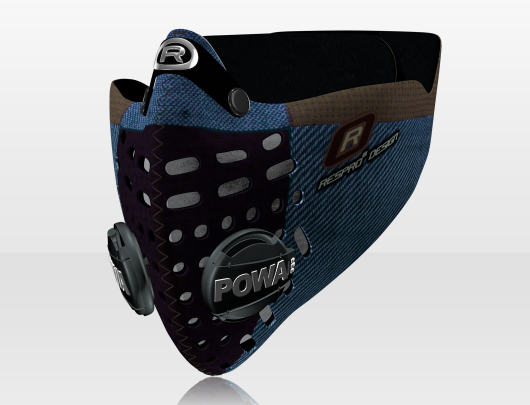
Respro® Masks FAQ: Do I need to replace the valves?

DO I NEED TO REPLACE THE VALVES?

The valves should not need replacing on a regular basis assuming that they are maintained properly. On a monthly basis, it is advisable to flush the valves through with warm water, allow to dry and apply a little talcum powder to prevent the valve from sticking. On the Powa valve, it is essential that you locate the two pins, nearest the hinge, properly into the body of the valve, and check that they are seated properly.

For more Frequently Asked Questions,  go to Respro® Mask FAQ

All Respro® products are available from our website respro.com

Respro® will ship your order to anywhere on the planet free of charge.

Posted in Air Quality | Tagged | Leave a comment

Iran to produce 0.4m electric motorcycles to help reduce air pollution

Iran plans to place 400,000 electric motorcycles and 140,000 hybrid taxi cabs on the market as part of a plan backed by the Oil Ministry to help environment protection, said the managing director of Iran Fuel Conservation Company (IFCC).

Elaborating on the government’s above-stated plan, Nosratollah Seifi said, “Due to incomplete combustion, some motorcycles pollute the air four times as much as automobiles.”

According to Tehran Times, Seifi stated that some production companies have held talks on manufacturing electric motorcycles with officials of the Ministry of Industry and Mines and the Interior Ministry, adding that if the plan is implemented, a manufacturer will receive $300 for each electric motorbike it produces. Once the plan is implemented, only electric motorcycles will be allowed on the streets of central Tehran.

He added that the IFCC also has a plan to get rid of 140 taxi cabs that use gasoline and replace them with 140 hybrid or CNG-powered taxi cabs. However, the CNG-powered vehicles must be able to travel 400 kilometres on a full tank of fuel in order to be covered by the plan, whereas the vehicles currently being used can only travel 150 kilometers on a full tank of fuel.

He noted that the IFCC devised plan must be approved by Iran’s Economic Council and implemented by other relevant organizations. “Measures have been taken to provide domestic companies the technical expertise necessary to manufacture electric cars, and test production is scheduled to begin in a few months. If hybrid cars cannot be produced domestically, they can be imported. In addition, the manufacturer will receive $6000 for each vehicle produced,” Seifi said.

via Iran to produce 0.4m electric motorcycles to help reduce air pollution.

Posted in Air Quality, Iran, Middle East | Tagged , | Leave a comment

Alarming rise in deaths from air pollution

Air pollution-related deaths in Australia have jumped by 69 per cent in five years while deaths in 20 other similar countries have declined, a report from Victoria’s Auditor General has said.

The Auditor General, John Doyle’s report said there were 1483 deaths related to air pollution in 2012, a leap from 882 deaths in 2005.

At the same time, 20 other countries, including the United Kingdom, United States and Germany, had decreases in their pollution-related death. Mr Doyle cited a 2014 Organisation for Economic Cooperation and Development report that suggested this was due to stricter vehicle emissions in those countries.

The cost of these pollution-related deaths to Australia was $5.8 billion in 2010. It was estimated that 50 per cent could be attributed to air pollution from road transport, the Auditor General’s report said.

Victoria’s total emissions from transport have grown 41.2 per cent from 1990 to 2012 and the report estimated that transport accounted for 18.72 per cent of Victoria’s total greenhouse gas emissions in 2011–12.

Passenger cars were responsible for about 60 per cent of transport greenhouse gases, the report said.

The Auditor General’s report ”Managing the Environmental Impacts of Transport” was critical of the Department of Transport, Planning and Local Infrastructure’s efforts to reduce emissions, pollution and noise.

Mr Doyle singled out VicRoads as ahead of most agencies within the transport department on environmental impact measures. However overall he criticised the department’s environmental performance saying much of its plan was aspirational and without goals, performance measures and focus.

He also singled out Public Transport Victoria for failing to have a dedicated plan for reducing emissions or energy consumption and failing to act on suggestions made in 2012.

Under the Transport Integration Act, transport agencies must ”manage the transport system in a way that actively contributes to environmental sustainability” the report said.

Mr Doyle was critical of the department’s response to his recommendations.

”I am disappointed by (the department’s) less than fulsome acceptance of my recommendations for it to develop a statewide strategy to address the environmental impacts of the transport system,” Mr Doyle said.

via Alarming rise in deaths from air pollution.

Posted in Air Quality, Australia & Oceania | Tagged , , | Leave a comment

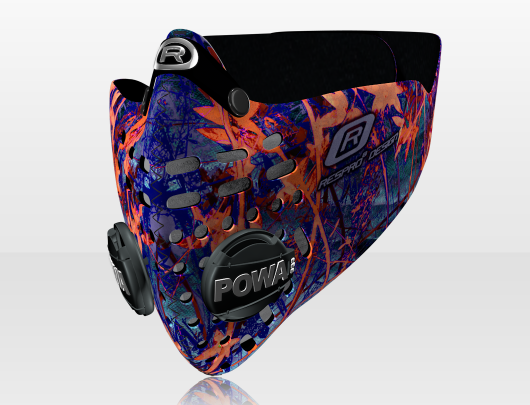
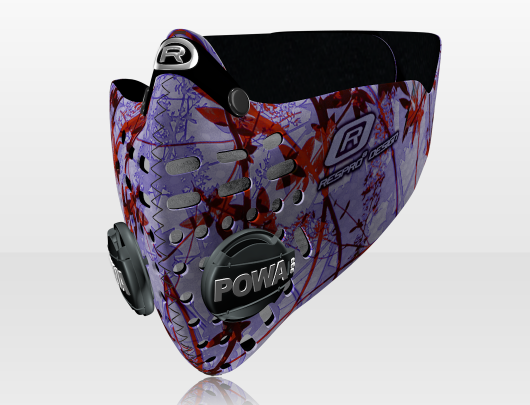
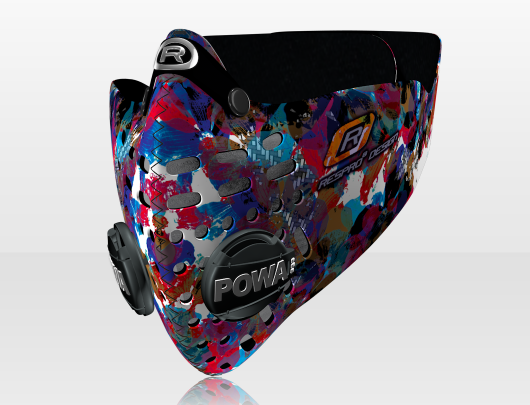
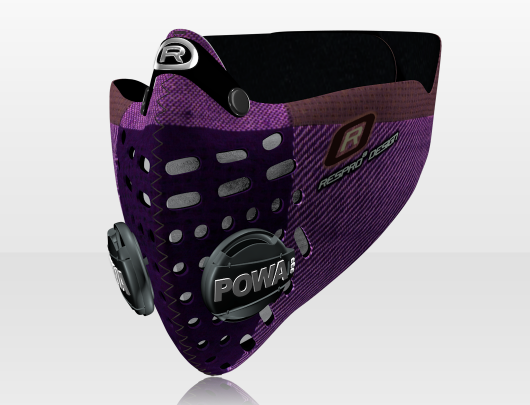
Respro® Skins™ pollution mask HERRINGBONE

Refresh your old Respro® Mask with a new skin to #matchyourstyle

SKINS_SIGNATURECustomise your new Respro® mask:

Choose your Skin design and colour, together with a filter and valve accessory pack to match your style. You get to build your mask to your own unique specification.

Refresh your old Respro® mask:

If you already own a Respro® Mask, you can buy a just the Skin™ without the filter and valves and use your own components. To assemble your mask or change the filter, watch this video.

Respro® Skins™ are available online via respro.com

Respro® Skins™ pollution mask - HERRINGBONE Purple #matchyourstyle

Respro® Skins™ pollution mask – HERRINGBONE Purple #matchyourstyle


Respro® Skins™ pollution mask - HERRINGBONE Green #matchyourstyle

Respro® Skins™ pollution mask – HERRINGBONE Green #matchyourstyle


Respro® Skins™ pollution mask - HERRINGBONE Brown #matchyourstyle

Respro® Skins™ pollution mask – HERRINGBONE Brown #matchyourstyle


Respro® Skins™ pollution mask - HERRINGBONE Blue #matchyourstyle

Respro® Skins™ pollution mask – HERRINGBONE Blue #matchyourstyle


Posted in Air Quality | Tagged , , | Leave a comment

China’s air pollution worsens in July, highest in north

Air pollution across 74 major Chinese cities worsened in July compared to last year, according to government data released on Tuesday, showing that the government is having trouble shaking its smog problem.

The 74 cities struggled with pollution on 26.9 percent of the days in July, up from 19.5 percent a year ago, data on the Ministry of Environmental Protection website said.

The air was worst in northern China, where Beijing, Tianjin and seven cities in Hebei province made the list of the 10 worst cities. Air pollution was judged high on 57.4 percent of the days in July, up from 51.4 percent last year.

Air pollution has figured high on the government’s agenda since a choking smog dubbed the “airpocalypse” engulfed key Chinese cities in January 2013, leading Premier Li Keqiang to announce a “war on pollution” in March this year.

Data from Greenpeace, which monitors air quality reports from 190 cities nationwide, showed last month that PM2.5, a measurement of tiny particles in the air, had dropped 6 percent in January-June, compared with the same six months in 2013.

But Tuesday’s government data showed that coal-reliant China is not making much of a dent in pollution levels despite closing down thousands of heavy-polluting facilities across the nation.

The number of high-pollution days in eastern and southern parts of the nation was less than half those in the north, although still growing, the data showed.

In the Yangtze River delta, Shanghai and 24 other cities faced high pollution levels on 25.1 percent of July days, up from 14.2 percent in the same month last year.

In nine cities in the southern Pearl River delta, pollution levels soared on 18.1 percent of days, compared to only 6.8 percent in July the year before.

Officials continue to introduce new policies and legislation to deal with the problem.

The Shanghai municipal government last month increased its maximum penalties fivefold for companies breaching environmental regulations.

It also removed a law saying polluters could only be fined once, meaning the government can now impose new fines every day until companies comply with the law.

The move was in line with China’s new environmental protection law, which aims to strengthen officials’ abilities to implement environmental policies.

via China’s air pollution worsens in July, highest in north | Reuters.

Posted in Air Quality, Asia, China | Tagged , , , , , | Leave a comment

Review: Lightness Of Breath

SAMSUNG CSCIn 2012, we tested Respro®’s Sportsta™ breath mask previously in MotoBuyer, which featured proprietary filters that help commuters breathe easy in the city. Since then, the UK-based safety equipment company has improved its line-up and begun to offer more products.

New features in Respro®’s product line-up including the availability of more sizes, as well as the announcement of a new, more fashionable line-up of masks (dubbed ‘Skins’) although these are not on sale just yet.

The reasons for wearing a breath mask in Singapore are mounting: diesel fumes, huge swathes of burning forest and claustrophobic tunnels with bad ventilation (see box). The benefits of wearing one are beginning to far outweigh the drawbacks.

But one newer product in the Respro® catalogue caught our eye: the Nitesight™ mask. Respro® also makes high-visibility products, and the new mask combines two safety technologies into one – a high-viz, filtration mask for urban wear. What more could a paranoid biker want?

The Nitesight™ mask is Respro®’s classic City™ mask with a twist: While it’s still constructed of stretchy Neoprene, the outer surface now has a coating of Scotchlite reflective material. You’ll know this as the stuff that’s on the back of your running shoes and some backpacks too. Scotchlite is made up of thousands of tiny reflective beads which shoot back light pointed at it, providing for a highly visible surface when lit up at night.

It’s a particularly clever move, especially since your head is often the most visible part of your body on a bike. Even with high-visibility clothing, it does become difficult to see motorcyclists at night. Like pedestrians, they can become obscured when hiding ‘between’ points of illumination, such as the headlights of other cars. Studies also show that one of the best things you can do is wear a white or hi-viz helmet – so wearing a hi-viz breathing mask should add to your notice-ability from the front.

As mentioned, Respro® masks now come in two different sizes, medium and large. According to the company, medium size fits a normal sized woman and large fits a normal sized man. We opted to try a medium size this time round (our Sportsta™ is large sized) and it fits well, although it’s right at the limit of adjustability, so we would choose a large next time. The adjustable Velcro backing and stretchy nature of the mask makes it comfortable to wear once you get used to it.

The Nitesight™ mask comes with the City™ filter as standard. The two valves on the mask allow you to breathe out freely, unlike a standard disposable N95 mask which does a ‘suction cup’ movement when you breathe out too quickly, caused by air trying to escape and enter the mask simultaneously.

One of the key draws of the Respro® mask system is that the filters and valves are interchangeable. The City™ filter, as the name suggests, is more for urban commutes. It uses activated charcoal to screen out dust, some pollution and odours. Activated charcoal, as you may know, adsorbs chemicals and pollutants by locking them into its microscopic pore structure. Adsorbtion is different from absorbtion, the former is where particles are held by weak molecular forces to the material, the latter is where the substance permeates or is dissolved by a solvent.

The Sportsta™ filter has a HEPA (high-efficiency particulate air) sub-micron filter, so it can screen out most particulate pollution (PM10 and PM2.5) although it does allow some fumes and chemicals in.

Respro®’s Techno™ filter is the top-line offering, and combines the best of the two filters into one, which is why it’s our choice for all round commuting and travel. According to Respro® “the Activated charcoal layer within the Techno™ filter has excellent adsorption properties when it comes to SO2 and NO2 uptakes. With this capability and its capability of filtering VOC’s it is the best filter available in our range for dealing with the broad spectrum of pollutants commonly found in major cities across the globe.”

As you can see from the photos, the mask has the happy effect of making you look like a storm trooper from Star Wars, especially when combined with a white helmet. When viewed at night, the Scotchlite really does the job from the front.

One example is, I imagine you’d be very visible to oncoming traffic at night while waiting to turn right at junctions– right turning vehicles, by the way, are a cause of more dangerous accidents due to high and low speed differential.

Wearing the mask for long periods is not a bother, although the harder nature of the City™ filter (if you use it) makes our nose bridge chafe a little after long rides. In our opinion, the only big drawback of the mask is that it won’t fit under most full-face helmets, hence the half-face helmet you see in the photos. It might possibly fit under the enduro-styled helmets with longer chin-guards, but we have yet to test that sort of helmet and in any case chin-bar size varies amongst all kinds of full-face helmets.

All in all, we think the Nitesight™ mask is another strong product from Respro® and money well spent – it helps you to breathe easier on urban commutes and will even help you stick out more on the road.

Respro® Nitesight™ mask

GBP32.99 / SGD70.52

Respro® Techno™ filter (2 pack)

GBP17.99 / SGD38.46

Respro® masks can be purchased directly from the company at www.respro.com or you can order them from online bicycle retailers based in the UK. Singapore’s retailers for Respro® products are Hodaka Motoworld, www.motoworld.com.sg.

Why You Should Wear A Pollution Mask
Even without the haze, Singapore’s air really isn’t as clean as you think it is

Last year when the haze hit Singapore hard, I was prepared: I simply wore my Respro® Sportsta™ mask everywhere I went – as opposed to just on the bike. After all engine ‘smoke’ and burning plant smog is more or less the same thing, the products of incomplete combustion.

To be honest, the vast majority of Singapore’s motorcyclists are behind the curve when it comes to safety gear – regular clothing and flip-flops are still the common outfit for an urban commute here in the Lion City.

Savvy bikers know it’s not a matter of if, but when you’re going to fall off, and one wears a breath mask for the same reason you wear a riding jacket or boots: as a proactive safety measure.

You may not know it, but Singapore’s roads are really quite bad for your lungs. It’s estimated that almost a fifth of Singapore’s emissions come from vehicles – but we guess the vast majority doesn’t come from passenger cars.

Vehicle emissions aren’t healthy, we all know. Various pollutants, chemicals and compounds result from internal combustion engines: these include particulate matter called PM10s and PM2.5s – which mean small pollutants that are less than 10 microns and 2.5 microns in size respectively. These include the soot plumes you see coming from older diesel engines and other kinds of respirable dusts that you can’t see. The latter are very bad for you, as they can enter the lungs and be lodged inside.

Other hazards include gaseous pollutant such as sulphur dioxide, volatile organic compounds (those with hydrogen molecules, which is almost everything) or even heavy metals are thrown into the atmosphere.

While modern passenger car and diesel engines are very efficient and pollute much less, this is not the case with many older diesel vehicles – vans, lorries, some buses and most taxis running on the road. Coincidentally, these vehicles also spend a lot of ‘dwell time’ on the road too, which means they pollute considerably more than a normal passenger car, which typically spend most of their time parked.

According to the UN Economic Council for Europe’s report on diesel engines (UNECE Diesel Engines Exhausts: Myths and Realities, 2014): “In June 2012, the World Health Organization’s International Agency on Research on Cancer (IARC) concluded that diesel engine exhaust is carcinogenic to humans (IARC, 2012). It is noteworthy that the IARC decision was unanimous and….it urged a worldwide reduction of exposure to diesel fumes as much as possible.”

The LTA has announced it has ‘projected’ an improvement to diesel standards to begin by 2014, which will help the situation. But unlike other countries, there has been no diesel retrofit scheme for older vehicles to improve their particulate emissions. So until this is fixed, and we don’t think it will be for at least a few years, your best bet is to commute with some sort of breathing protection. And that’s not even counting the haze!

via carbuyer.com.sg

Posted in Air Quality, Singapore | Leave a comment

Air pollution means death in cities

In Riga, in Latvia, the European Commission have noted the PM10 particles of a size greater than 10 micrometres levels off particulate matter affecting air quality and health.

While London and Paris are also heavily affected by traffic pollutants such as nitrogen oxides and both types of recorded particulates, much of the world needs a rethink on vehicle regulation in urban areas.

Particles in the air are now highly regulated in industrialised nations. Riga and the rest of Europe must not exceed 50 micrograms per cubic metre of the large PM10 particles for more than 10% of the year. The Chinese, who suffer badly from particulates, have a limit for PM10 that is 3X higher, possibly because that target is reachable.

PM2.5 particles the smaller regulated pollutants are regarded as even more dangerous to health. New regulations in Europe will take effect in 2015. It isn’t simply the child or the old person who is affected. For building workers or those subjected to city traffic fumes, such as cyclists!, young healthy individuals are being heavily affected. The incidence of heart attack and the increase in lung cancers is estimated often as being as high as 20% increase for every 10 microgram increase in PM10 levels. PM10 is now classed as a Group 1 carcinogen.

Possibly activated by such knowledge, people are now using apps for their phones that help track ozone, carbon and other levels in the air they currently breathe. The Airprobe connects via Bluetooth, so several pieces of equipment could be integrated with your personal health investigation!

In Lanzhou, a great city in Gansu province, China has a good example of recovery from those awful pollutions from coal industries and even forest burning we have reported recently in 2009 over Asia. In August it was announced that the heavy chemical industries’ emissions, polluting the lengthy Huang He Yellow River and the air have been reined in and for 2 years, coal burning stoves have been regularly replaced with gas alternatives. 13 industries simply had to be closed down, while winter pollution, which is extra intensive, has been cut by suspending 2000 factories for the season.

The obvious solution to the Chinese authorities was shifting the problem to someone else’s doorstep by moving 78 factories out to the city’s industrial “park.”. Cars, too have been fitted with catalytic converters and the citizens given thousands of jobs throughout the 1482 districts of Lanzhou o test their air. The result has been 299 days with good or better air in the enclosed valley containing the city. That is 57 days more than in 2001, leaving a thousand more Chinese cities ready to adopt strategies to improve their own air. Lanzhou’s 62-year-old Zhang Yucan has the quote of the year with, “I could rarely see the mountains clearly due to the heavy pollution, but now people can do morning exercises in a clean environment.” More on the “transformation” in the – China News.

via Air pollution means death in cities | Pollution | The Earth Times.

Posted in Air Quality, Europe | Tagged , , , , | Leave a comment

Tour de France massively improved air quality in Huddersfield

The air quality in Huddersfield improved dramatically when roads closed around the Tour de France Grand Départ in July, monitoring has found.

The council shut dozens of roads around the route,  from Ainley Top to Holme Moss, as well as a large number of feeder roads.

Monitoring stations in the town have found that as a result, there was a big fall in air pollution during the times of the road closures.

There was a huge fall in nitrogen dioxide levels, a gas caused by heavy traffic.

Clr Steve Hall, Kirklees Cabinet member for Environmental Health, told the Huddersfield Daily Examiner: “We noticed a striking difference when the roads were closed to traffic. The drop in the pollution level was dramatic and immediate.

“The unusual situation created by the visit of the Tour de France highlights how our car use affects pollution levels and shows the benefits of cycling and walking.

“I hope that one of the legacies of the Tour de France is to increase the number of journeys, particularly those done by commuters, completed by cycling and walking which will benefit people by increasing fitness levels through exercise but also improving the quality of the air we breathe.”

Earlier this year we reported how cycling was highlighted by both the World Health Organisation (WHO), and an eminent professor of environmental health as part of the solution to the problem of worsening air quality.

In most cities where there is enough data to compare current air pollution levels with previous years, the situation is getting worse.

The WHO estimated that outdoor air pollution was responsible for 3.7 million premature deaths of individuals under the age of 60 around the world in 2012.

The WHO director for public health, environmental and social determinants of health, Dr Maria Neira, underlined the prominent role that active transport and improved cycling infrastructure plays in the cities which have improved their air quality.

She said: “Effective policies and strategies are well understood, but they need to be implemented at sufficient scale.

“Cities such as Copenhagen and Bogotà, for example, have improved air quality by promoting ‘active transport’ and prioritizing dedicated networks of urban public transport, walking and cycling.

“We can win the fight against air pollution and reduce the number of people suffering from respiratory and heart disease, as well as lung cancer.”

The government in the UK also issued figures last month that suggested 29,000 premature deaths per year came as a result of poor air quality.

In April the level of pollution in some parts of south-east England reached the top of the Department for Environment, Food and Rural Affairs’ ten-point scale, as a result of particular weather conditions and Saharan dust being blown north.

Experts were divided as to whether cycling in these conditions would cause harm or not, but both the WHO and professor Frank Kelly of King’s College, London, agree that it is key in solving the problem.

Prof Kelly, professor of environmental health, wrote a piece for the Evening Standard in which he outlined his beliefs that London’s poor air quality now “poses a significant threat to our health.”

In the piece he highlighted the diesel engines that power nearly all of our public transportation vehicles and around half of the cars on the capital’s roads as the primary culprits for the city’s poor air quality.

He also suggested a number of measures that should be taken to improve the state of the city’s air, including improvements to cycling infrastructure regardless of the cost it may incur.

He wrote: “The UK’s air quality improvements have miserably stalled and in London especially this now poses a significant threat to our health.

“To cut pollution we must reduce traffic and ensure that what remains on the road is cleaner.

“We could do so through a more effective low-emission zone; investing in clean and affordable public transport; moving back from diesel to petrol or at least banning all highly polluting diesel vehicles; lowering speed limits and enhancing cycle routes.

“There will be costs — but these should be balanced against the cost of the impact of air pollution in the UK, estimated at up to £19 billion a year.”


via Tour de France massively improved air quality in Huddersfield | road.cc.

Posted in Air Quality, Europe, UK | Tagged , , , | Leave a comment