Unhealthy air continues in Missoula, Bitterroot; expected to linger

Air quality in Missoula on Sunday ranged from “moderate” to “unhealthy” for sensitive groups, and the Missoula City-County Health Department said the cumulative air quality for the day as a whole was “unhealthy.”Air quality conditions deteriorated in the Bitterroot Valley, where it was categorized as “unhealthy,” and the cumulative air quality “very unhealthy.”Although Sunday evening brought a short reprieve from the smoke – thanks to a northwest wind that blew into the region – expect a smoky Monday and upcoming week, said Jen Pallister, meteorologist with the National Weather Service in Missoula.A ridge of high pressure is expected to move in, which will trap the smoke in the Missoula and Bitterroot valleys, Pallister said.Expect the smoke to linger most of the week as there is no new weather system on the horizon that would push it out, she said.

via Unhealthy air continues in Missoula, Bitterroot; expected to linger.
Posted in Air Quality, USA & Canada | Tagged , , , , | Leave a comment

Air pollution in Korea worse than Japan and US

Korea has more air pollutants than Japan and the United States, according to a joint study by the National Institute of Environmental Korea and the National Aeronautics and Space Administration (NASA) of the United States.

The report said the amount of aerosol in Korea is greater than those in the two countries. In context of air analysis, aerosol refers to the suspension of solid or liquid particles in the atmosphere. The amount of this can be used as a measure of air pollution.

The research was conducted from March to May this year, when yellow dust from China and Mongolia swept the country.

The report listed figures for Aerosol Optical Depth (AOD), which records the extent light is scattered or absorbed by the amount of aerosol in the air. In Korean cities readings of this are higher than those in cities in the U.S. and Japan. The higher the amount of aerosol in the air, the greater the AOD figure is.

via Air pollution in Korea worse than Japan, US.

Posted in Air Quality, Asia, China, Japan, Mongolia, South Korea | Tagged , , , | Leave a comment

Pollution study sparks pleas for road changes to tackle dangerous fumes

FURTHER evidence of “shocking” breaches of European air quality standards in Islington have emerged in a new study.

Pressure group Better Archway Forum (BAF) carried out the new study by installing tubes which monitor nitrogen dioxide at various locations.

It followed a similar survey in November last year by the Green Party and University College London – featured in the Tribune – which showed that children were breathing in dangerous levels of fumes in Highbury.

Pollution has the potential to cause respiratory disease, the third largest killer in the borough.

The Archway devices, which remained in place for four weeks, were later analysed in a laboratory and showed pollution exceeding British and EU maximum limits on all main road locations.

via Pollution study sparks pleas for road changes to tackle dangerous fumes | Islington Tribune.

Posted in Air Quality, London, UK | Tagged , , , , , , , | Leave a comment

Scotland’s city streets failing European air quality standards

AIR pollution levels have dropped across Scotland but numerous city streets are still failing European air quality standards, new figures showed yesterday.

Latest statistics from the Scottish Government revealed that since 1990 emissions of harmful substances have reduced by as much as 98 per cent, which was the amount by which lead pollution fell.

Reasons for falling levels of nitrogen oxides, particulates and carbon monoxide included the demise of heavy industry such as the Ravenscraig steel works, and the recession, which resulted in people driving less to save money.

But traffic fumes remain the key cause of polluted air in cities like Glasgow which exceeds European limits.

via Scotland’s city streets failing European air quality standards – Environment – Scotsman.com.

Posted in Air Quality, UK | Tagged , | Leave a comment

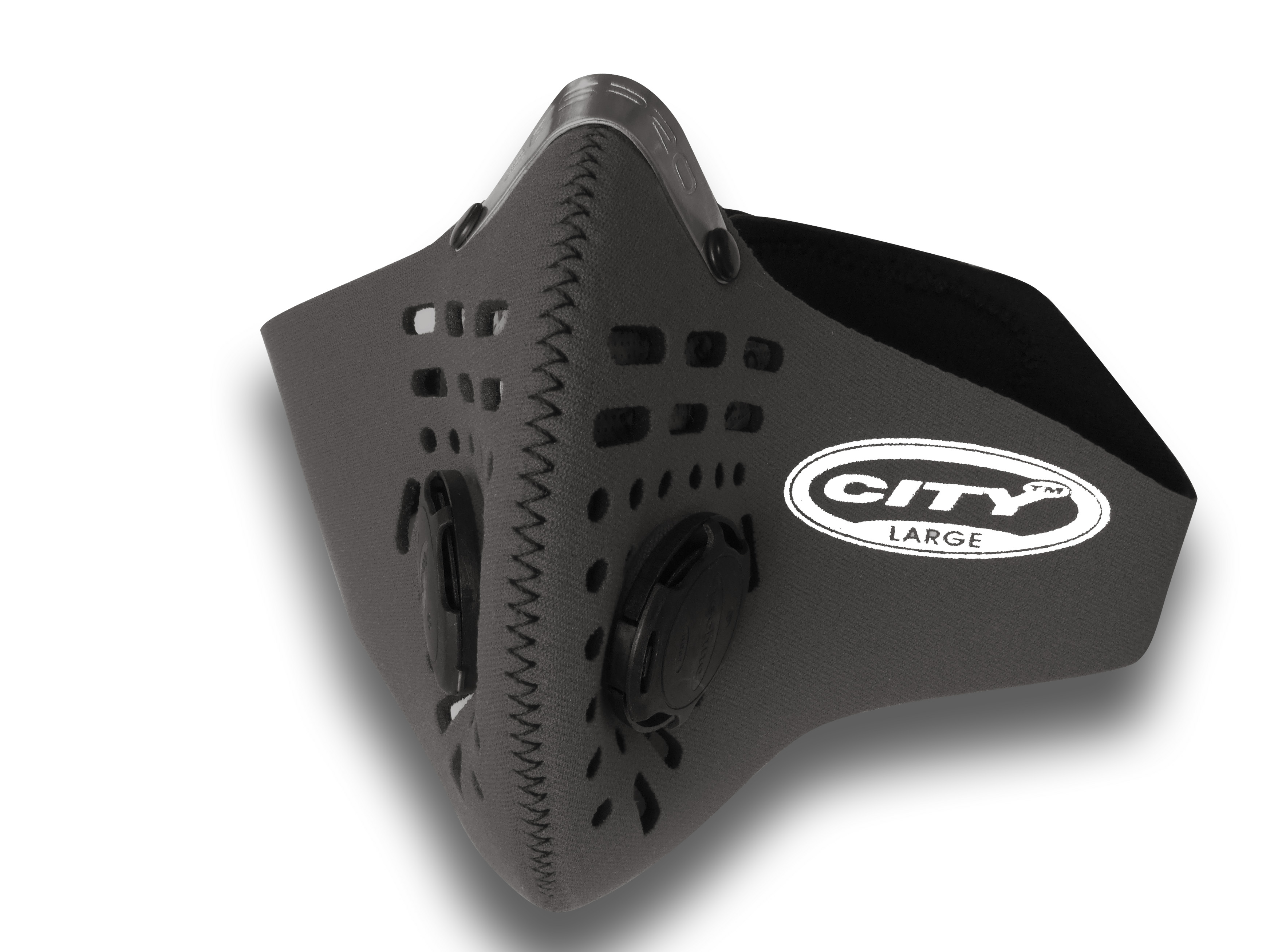
FAQ: How do the Sportsta™ and City™ filters differ?

How do the Sportsta™ and City™ filters differ?

Each filters type has a primary use in a specific environment.

1. The City filter uses Dynamic Activated Charcoal Cloth (DACC) a 95% pure charcoal weave, originally developed by the U.K. Ministry of Defence for use in the protection against chemical and bacteria warfare situations. We use DACC to effectively filter out Primary pollutants associated with vehicle exhaust emissions. The DACC is laminated with medical grade non woven polypropylene material which filters particulates from the air and helps prevent them from entering the respiratory system.

The City™ filter offers protection against: – Hydrocarbons. e.g. Benzene; Pyrene; 1,3 Butadiene. – Acid gases. e.g. Nitrogen dioxide; Sulphur dioxide. – Photo-chemical pollutants. e.g. Low level Ozone – Particulates. e.g. Black smoke; Pollen; Lead oxide. For a more comprehensive list of all the chemicals that have tested with DACC, please go to the Industrial section of the website.

2. The Sportsta™ filter uses electrostatically charged fibres to attract airborne particulates down to 0.3 microns in size. 1 Micron = 1/1000mm. Unlike most particle filters which rely on mechanical retention, which inherently results in high inhalation resistance or very large cumbersome filters, the Sportsta™ filter offers extremely low inhalation resistance, by like comparison. The Sportsta™ filter offers protection against: – Pollen dust; Building dust; Clay dust; Grain dust; Soya dust; Carbon dust; House dust; Cigarette smoke. – PM10’s. e.g. Diesel smoke. – Lead & Tar.

For more FAQ,  see Respro® Mask FAQ

Posted in Respro® Products | Tagged , , | Leave a comment

Asia’s mega-cities urged to think green

Asian urbanization still has a long way to go, with the number and size of cities getting ever larger. In 2010, the urban share of Asia’s population was still only 43 per cent, compared to 52 per cent worldwide.

By 2050, the figure for Asia is projected to reach 63 per cent, gaining on but still below the 67 per cent global average. Thus, Asian cities will have even higher density and, by 2025, the number of mega-cities in the region is expected to increase to 21 from a global total of 37.

Urbanization also brings about greater pollution. More than half of the world’s most polluted cities are in Asia, and air pollution contributes to half a million deaths yearly in the region. Air pollution in Asian cities is higher than in other regions and a staggering 67 per cent of Asian cities (versus 11 per cent of non-Asian cities) fail to meet the European Union’s air quality standards. The report shows the income elasticity of demand for vehicles, meaning that a 10 per cent increase in per capita income is associated with a 10 per cent increase in a nation’s per capita vehicle ownership rate.

Future CO2 emissions, if left unchecked under a business-as-usual scenario, could reach 10.2 tones per capita by 2050, three times the 2008 level, with disastrous consequences for both Asia and the rest of the world. Three of the top five CO2-emitting economies are in Asia, and per-capita emissions are rising at an alarming rate. Increasing demand for electricity is another source of CO2 emission.

via Asia’s mega-cities urged to think green | The Jakarta Post.

Posted in Air Quality, Asia, China, Japan | Tagged , , , , , , , , , | Leave a comment

You Can Literally Hear What Pollution Sounds Like

In the flat lands of California’s Central Valley, oil pumps obscured by waving lines of fuel-richened air dip and rise on the horizon. Two hundred miles to the north and west, aging eighteen-wheelers pound through an urban bypass tunnel, staining the walls black with diesel fumes. Farther to the north, High Sierra pines scent the mountain air with notes of cinnamon and nutmeg, sending blue wisps of haze trailing gently upward.

Air is not the same everywhere. Across the extremes of the human environment, in both urban areas and wild, powerful natural and human forces combine to create intricate mixtures of chemicals that compose the air we breathe, seek for pleasure, or avoid. And now that air is made audible.

We created sounds from air samples (atmospheric particulate matter collected on filters) by first using gas chromatography to separate the thousands of compounds in the air (try it with markers at home) and then using mass spectrometry, which gives us a unique “spectrum” for chemicals based on their structure, to identify the compounds and assign them tones. Some compounds end up sounding clear and distinct, while others blur together into unresolvable chords. The result is a qualitative, sensory experience of hard, digital data. You can actually hear the difference between the toxic air of a truck tunnel (clogged with diesel hydrocarbons and carcinogenic particulate matter) and the fragrant air of the High Sierras.

via You Can Literally Hear What Pollution Sounds Like – Technology – The Atlantic Cities.

Posted in Air Quality, USA & Canada | Tagged , , | Leave a comment

FAQ: What filters do I need for the X-treme™ masks?

What filters do I need for the X-treme™ masks?

Essentially the filters in the X-treme™ function in the same way as the City™ and Sportsta™ filters do. The X-treme™ mask for sports utilises the particulate filtration ability of the Sportsta™ and the X-treme™ mask for urban use, uses activated carbon as its filtration medium.

For more FAQ,  go to Respro® Mask FAQ

Posted in Respro® Products | Tagged , , | Leave a comment


